Kaiako
Mangōnui School
In this guest blogpost, we share the story of Mangōnui School’s Floating Classroom, as told by their teacher Jonella Henare.
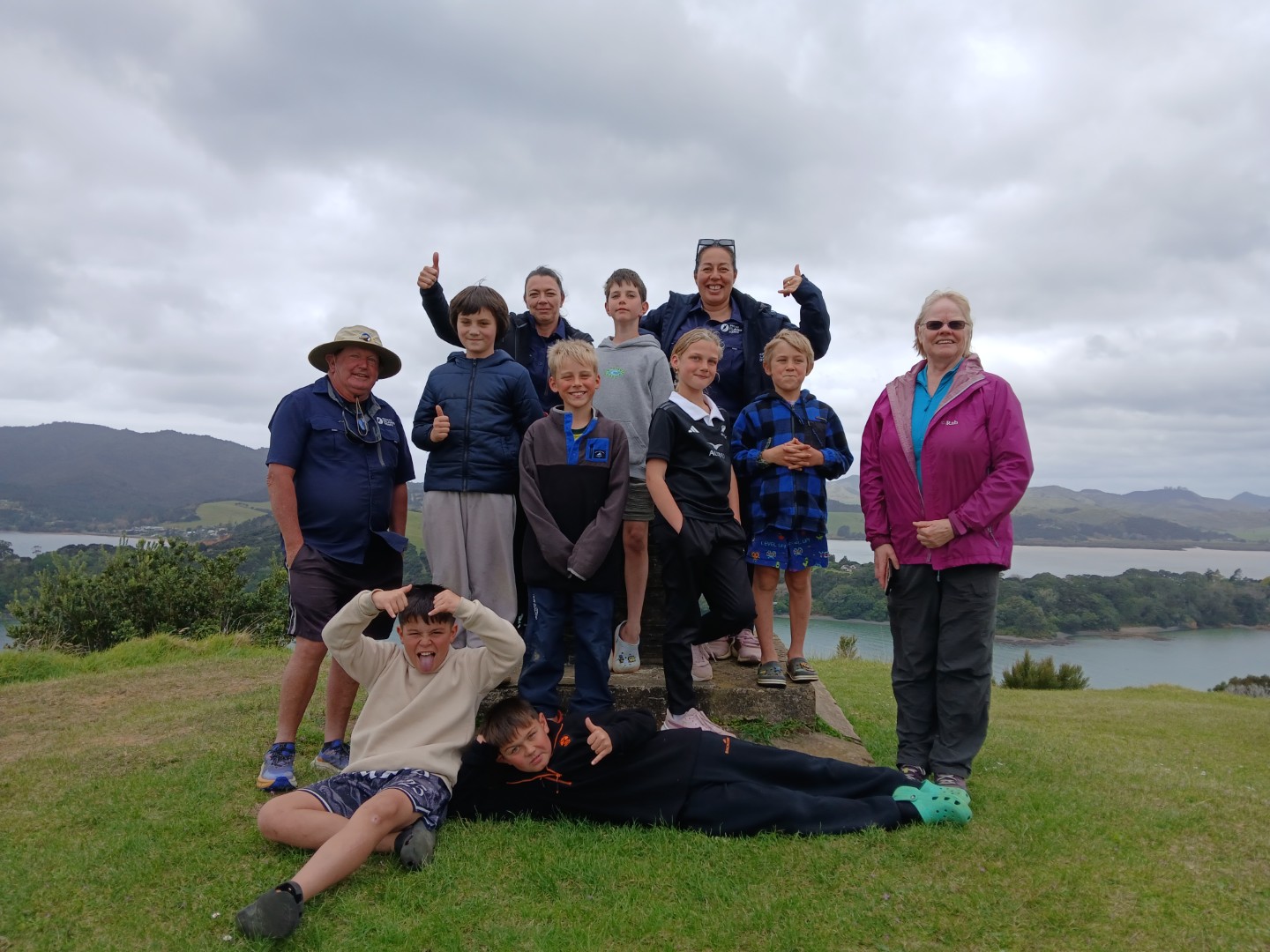
The 12 students chosen to take part in the Floating Classroom made up the school’s Rangikapiti Pā Leaders group, responsible for deepening their connection with this significant local place, and exploring what it means to practise kaitiakitanga there.
The Floating Classroom programme provided new learning opportunities in another local context, that have helped to shape their thinking and their action back at Rangikapiti Pā, and around their kura.
Our Rangikapiti Pā Leaders’ Journey
When we first began our mahi connected with Rangikapiti Pā, I knew I wanted our tamariki to develop a deeper understanding of this special place in our community. I wanted their learning to go beyond the classroom and give them opportunities to experience what kaitiakitanga could look like in a real place, an important place, with real purpose.
What I didn’t know then was where this journey would take us.
At the start of the year a group of twelve students from Tuatara Class chose to become our Rangikapiti Pā Leaders – Marley, Jackson, Corbin, Marlee, Billie, Kauri, Harper, Charlie, Raven, Lachlan, Riley and Forrest.
From the beginning, I wanted the students to understand that being a Rangikapiti Pā Leader wasn’t simply about having a title. It meant learning about the place, noticing what was happening within its environment, listening to people who knew more than we did, and beginning to think about how we could contribute.
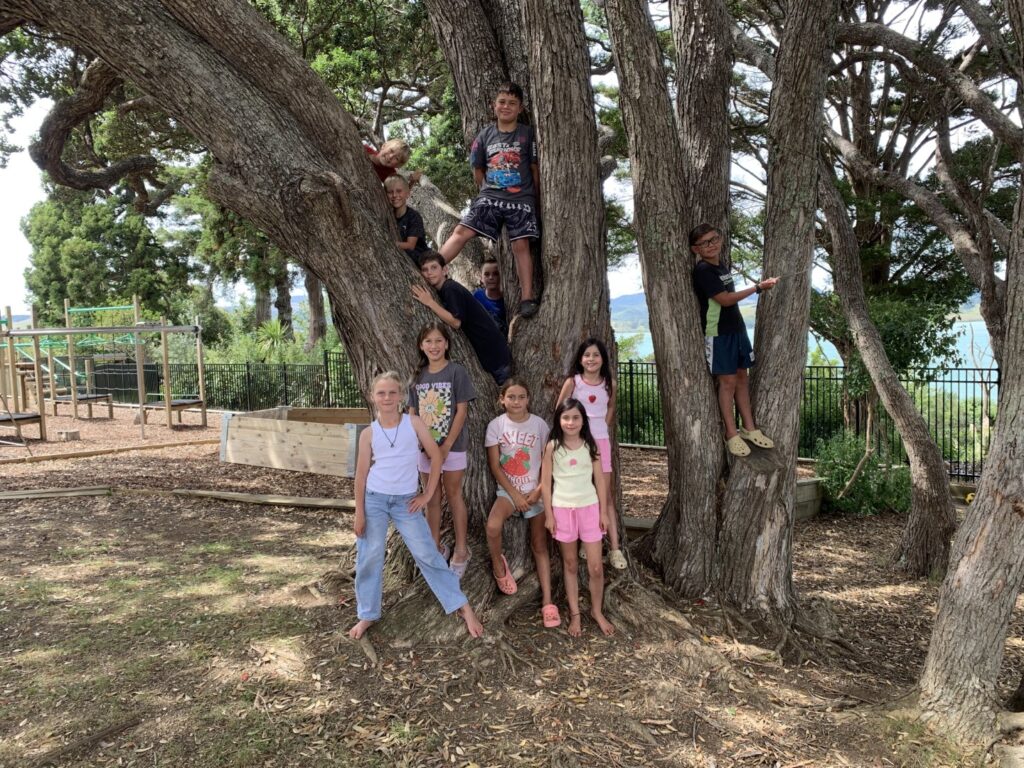
Learning at Rangikapiti Pā
Working alongside Helen has given our tamariki opportunities to learn more about Rangikapiti Pā and the environmental mahi happening there.
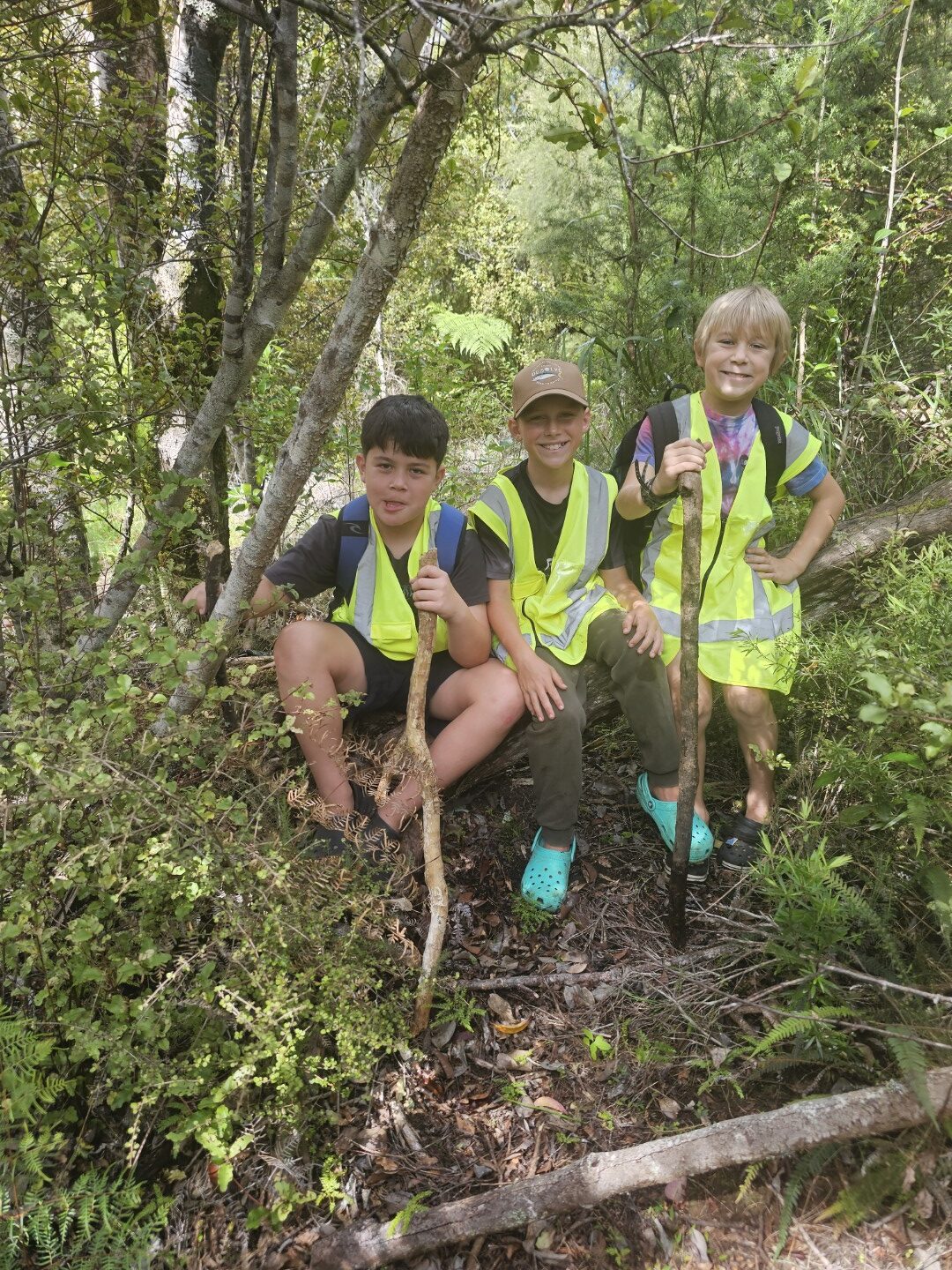
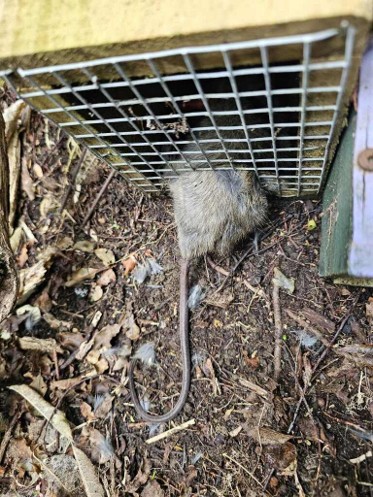
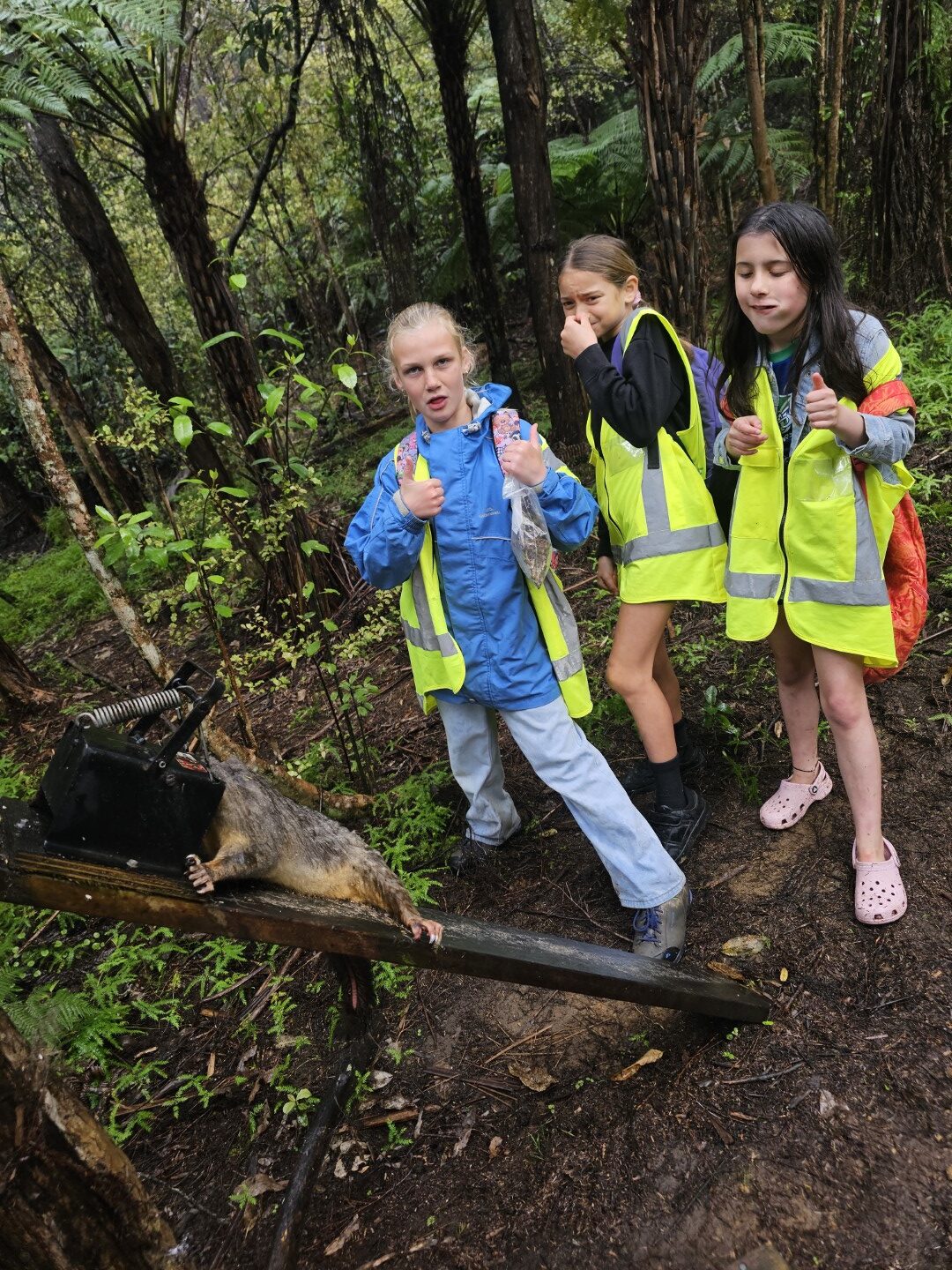
One important part of this was learning about trapping and predator control. The students began thinking about why traps were needed, what introduced predators could mean for native species, and how people could actively help protect an environment.
These experiences started conversations about the plants, birds and other living things found at Rangikapiti Pā and the relationships between them.
As their teacher, one of the things I began to notice was that our conversations were changing.
We weren’t only talking about what was at Rangikapiti Pā. We were beginning to talk about why it mattered and what we could do to help care for it.
That was when another opportunity came our way.
A connection that opened another door
As the mahi around Rangikapiti Pā began to grow, Whaea Jo connected us with Project Island Song.
That connection opened up an opportunity I hadn’t anticipated at the beginning of our journey. Suddenly, the learning we were doing around Rangikapiti Pā could connect with conservation and restoration mahi happening across the islands of Ipipiri in the Bay of Islands.
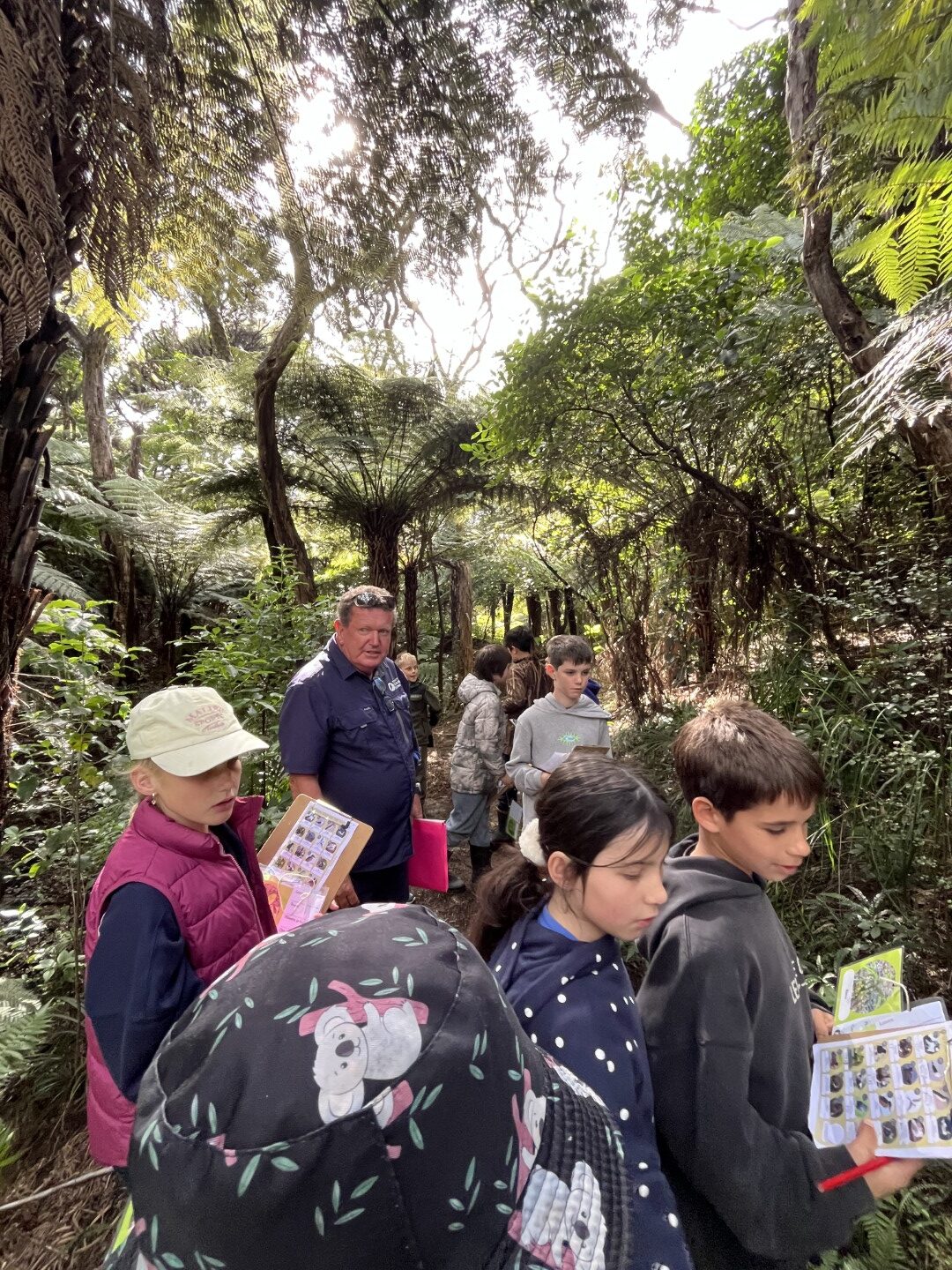
Through Project Island Song, our Rangikapiti Pā Leaders were going to have the opportunity to learn from people actively involved in restoring native ecosystems – and eventually experience some of that mahi for themselves.
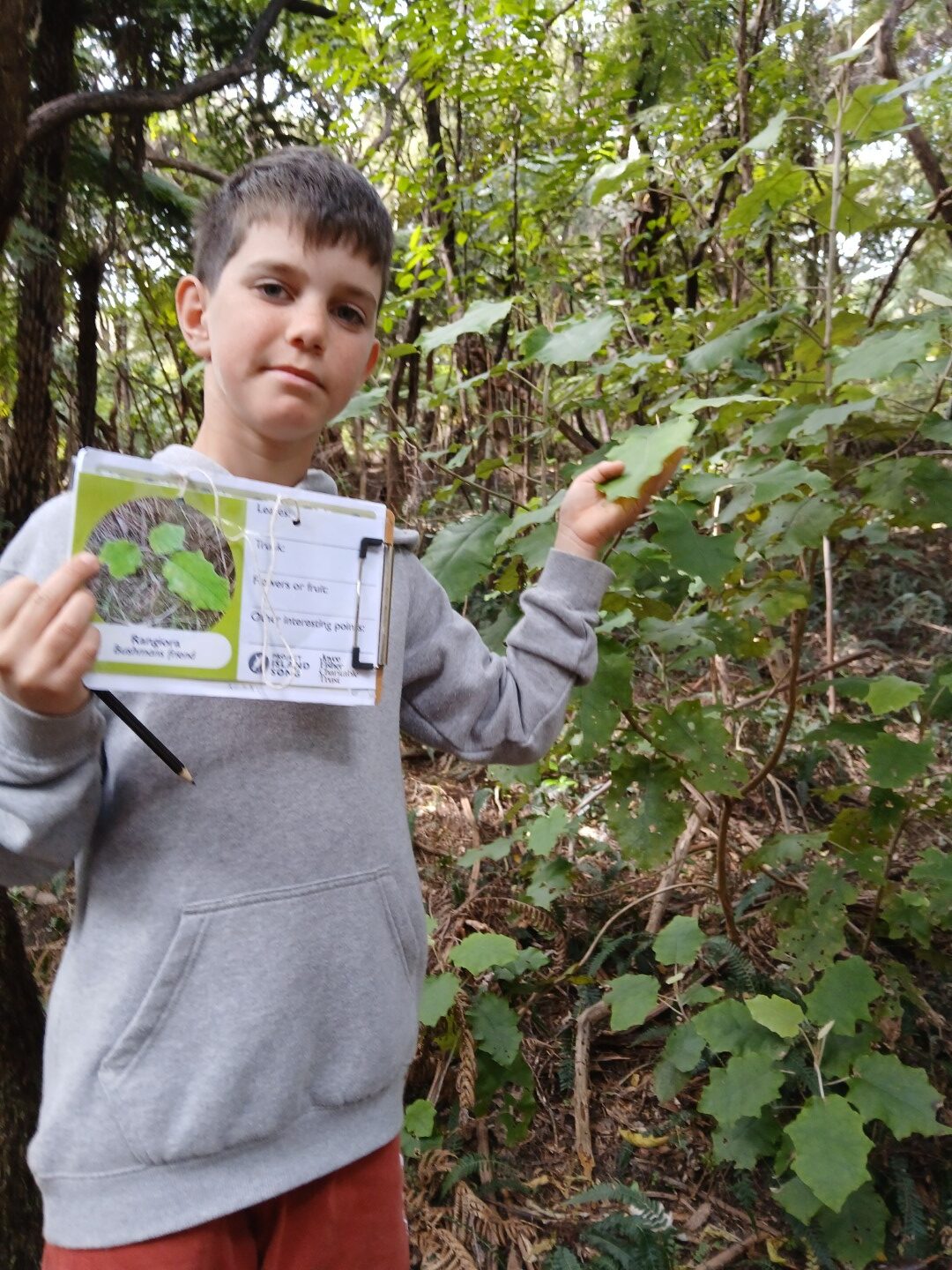
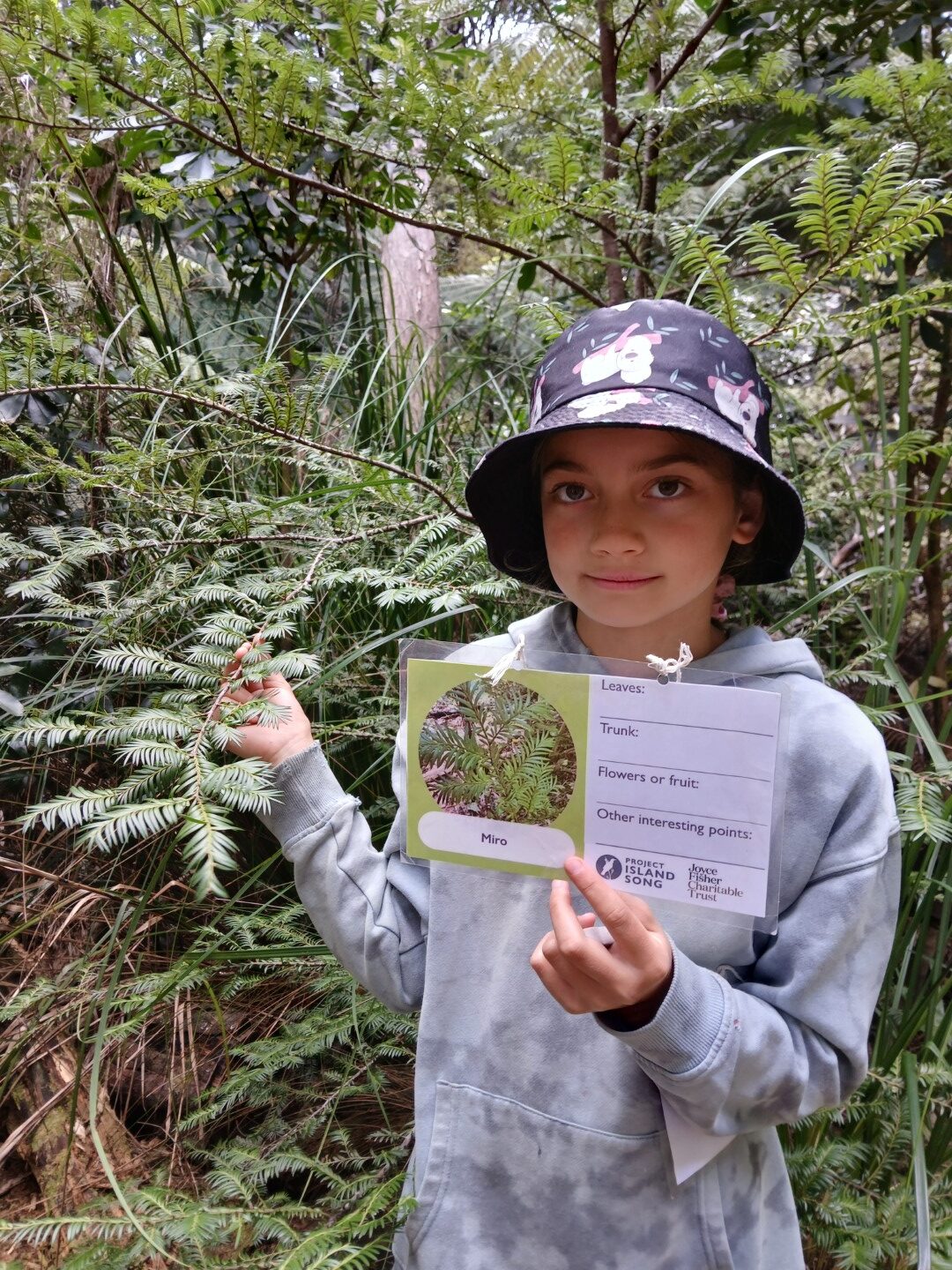
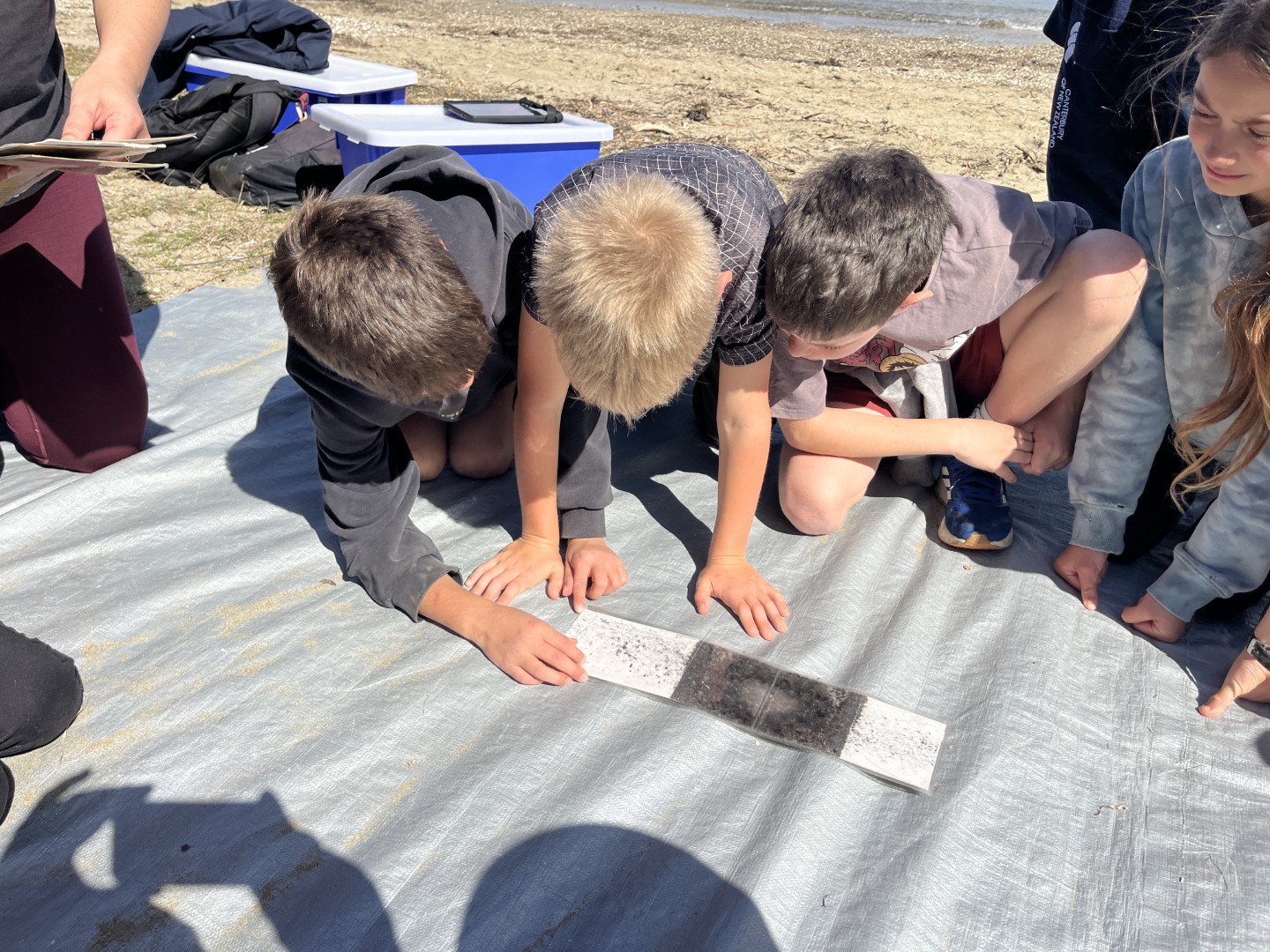
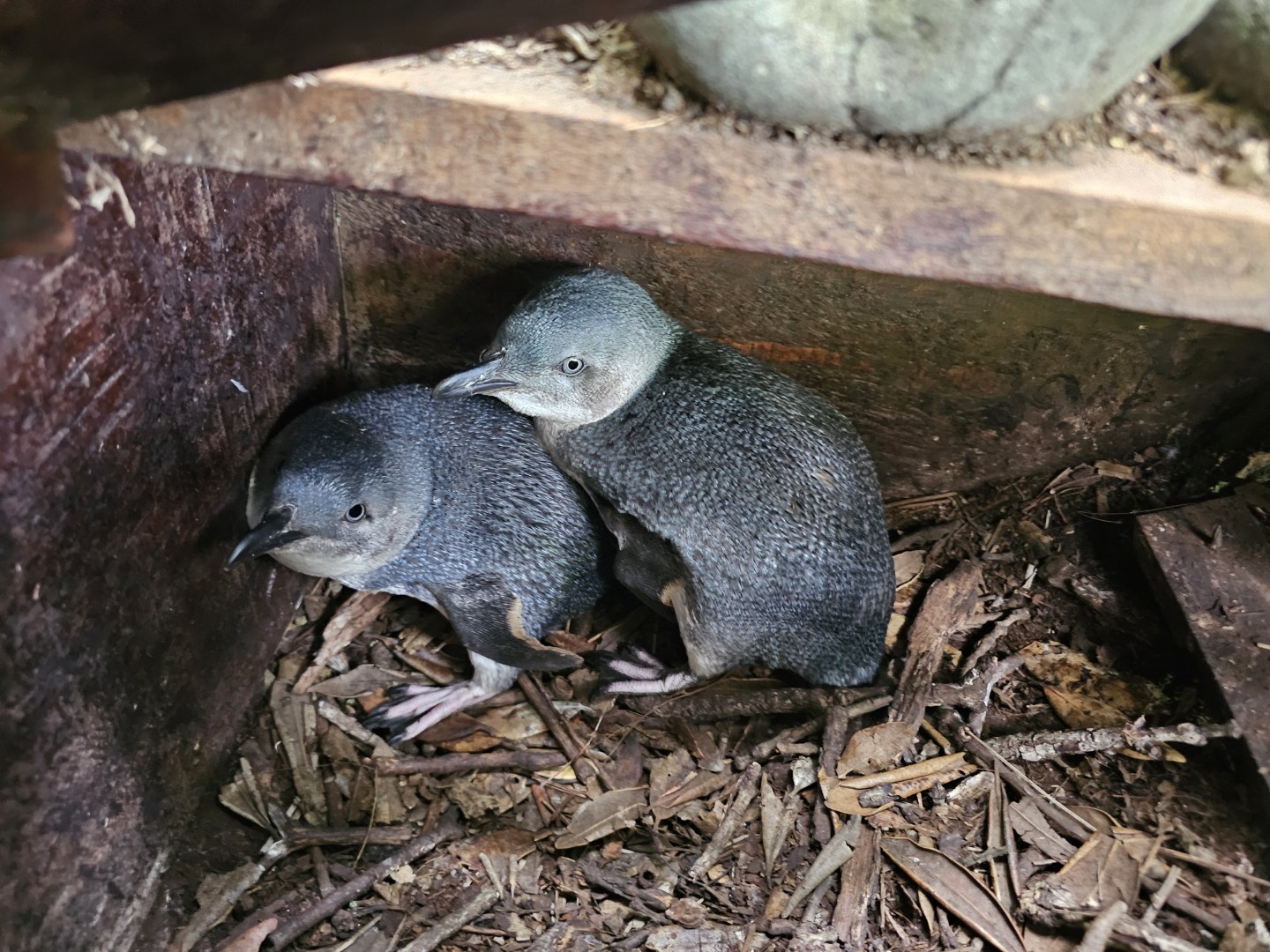
When Abby and William from Project Island Song visited us before the Floating Classroom experience, they began preparing our tamariki for what they would encounter on Moturua Island. The students learned more about native species, habitats, introduced predators and the work being done to help ecosystems recover.
For me, this was where another layer of our kaupapa began to emerge.
We weren’t learning about Rangikapiti Pā and Project Island Song as two separate things. I could see an opportunity for our tamariki to take what they were learning from Project Island Song and use it to think more deeply about a place right here in their own community.
Soon, our Rangikapiti Pā Leaders would get the chance to see that restoration mahi for themselves.
The Floating Classroom
On Thursday 3rd September, our Rangikapiti Pā Leaders had an early start.
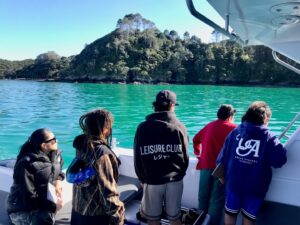
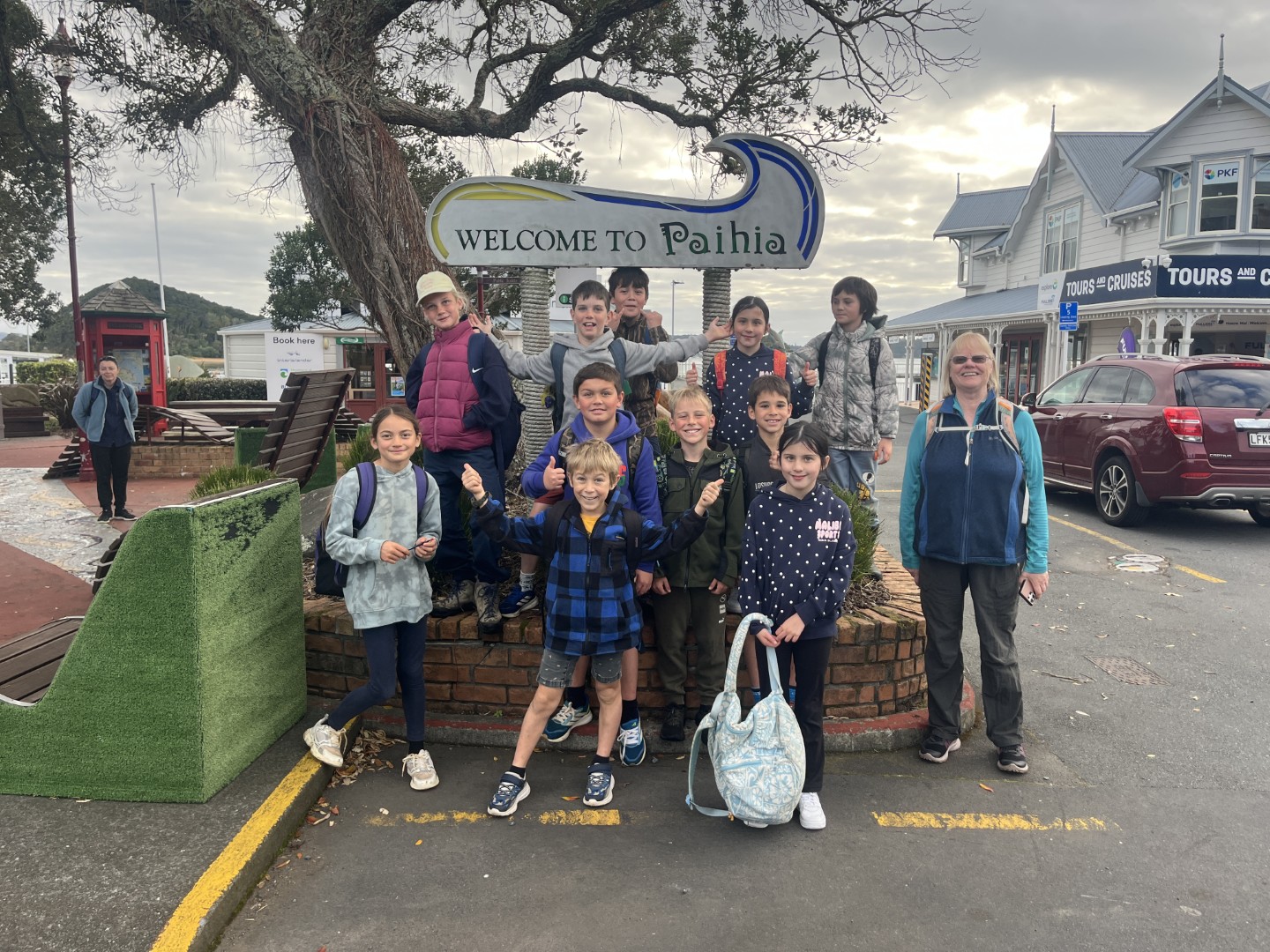
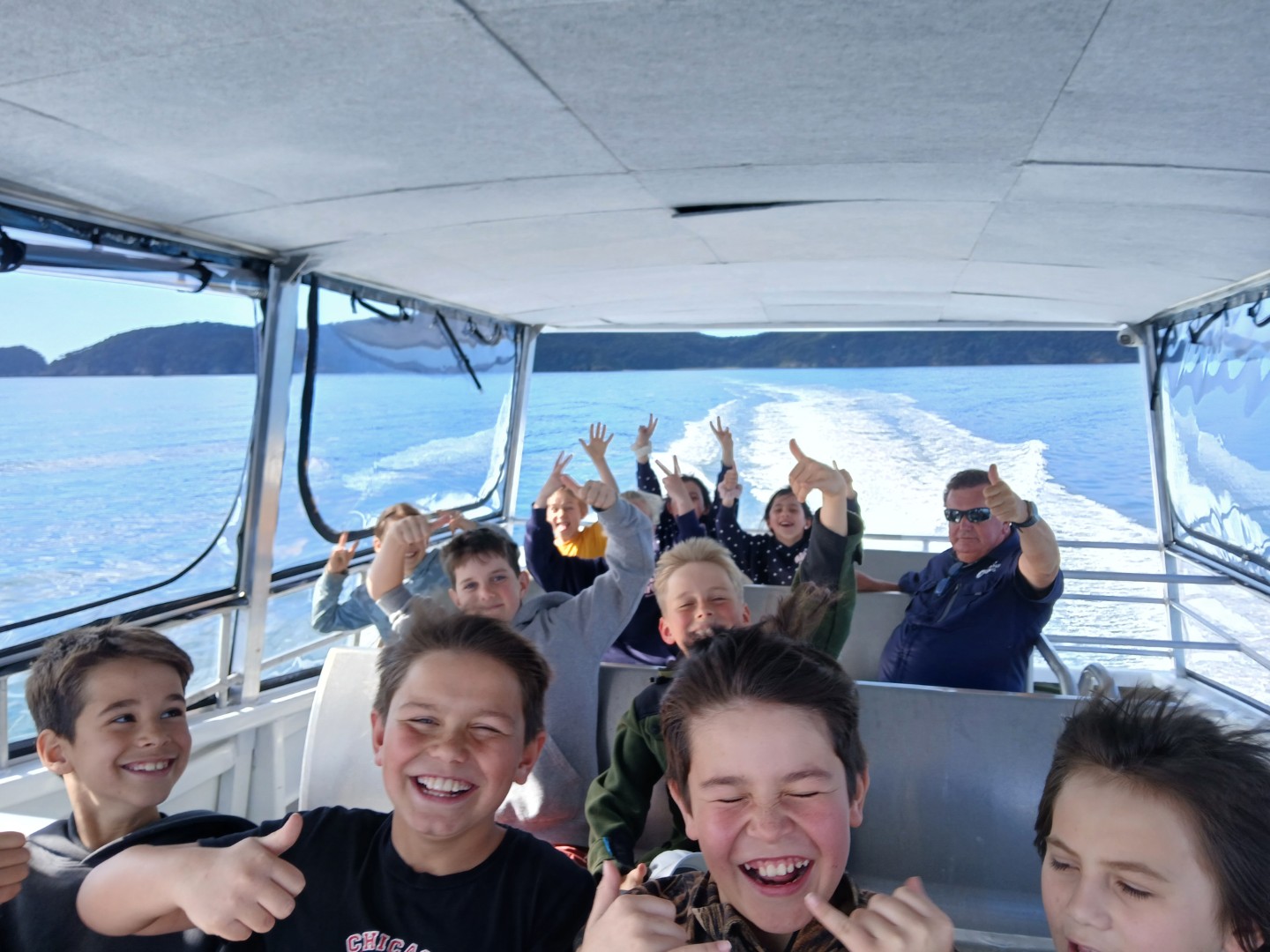
By 7am, they were ready to leave Mangōnui School, travel to Paihia and then head across the water to Moturua Island for their Project Island Song Floating Classroom experience.
Raincoats were packed, bags were ready, and ahead of them was a very different kind of school day.
I didn’t travel with them that day. And I think that is an important part of this story. This experience belonged to them.
While I had helped prepare them for the learning, I wasn’t standing beside them when they stepped onto Moturua. I didn’t see what they noticed first, hear the birds they heard or experience the moments that surprised them.
So this part of our story needs to be told through their voices – Tuatara Talks Podcast Ep.8
One of our Rangikapiti Pā Leaders, Marlee, wasn’t able to attend the Floating Classroom experience, but she remained an important part of the group and the mahi that follows.
When the others returned, we wanted to know more than whether they had enjoyed themselves.
We wanted to know what they had noticed. What had surprised them? What did they understand now that they hadn’t understood before? And, most importantly – what were they going to do with that learning?
That question has become one of the most important parts of our journey.
Because the Floating Classroom was never going to be the end of our story. In many ways, it was only the beginning.
Bringing the learning home
After speaking with Mr Sedcole who kindly took the kids on the trip, we reflected on the Moturua experience. We began to see an opportunity for the students to take what they had learned and apply it to a place much closer to home.
Moturua and Rangikapiti Pā are their own unique places, with their own environments, histories and stories. But many of the ideas the students had encountered through Project Island Song – habitats, native species, introduced predators, restoration and kaitiakitanga – gave us new ways to think about our own local environment.
The students had seen examples of people actively caring for and restoring an ecosystem.
Now I wanted them to ask: What could kaitiakitanga look like for us?
Rather than simply completing a project about Rangikapiti Pā, I wanted our students to create something that could actually contribute to the place.
Coming back together
On Tuesday 22 September, Abby and William returned to Mangōnui School for our Project Island Song post-visit.
This time, our tamariki weren’t simply there to listen.
They had experiences and learning of their own to share.
The post-visit gave our Rangikapiti Pā Leaders an opportunity to reflect on their Floating Classroom experience, talk about what they had discovered and continue making connections between Moturua and Rangikapiti Pā.
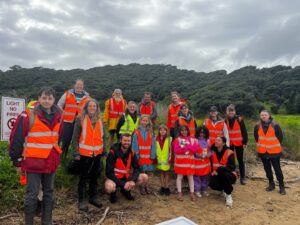
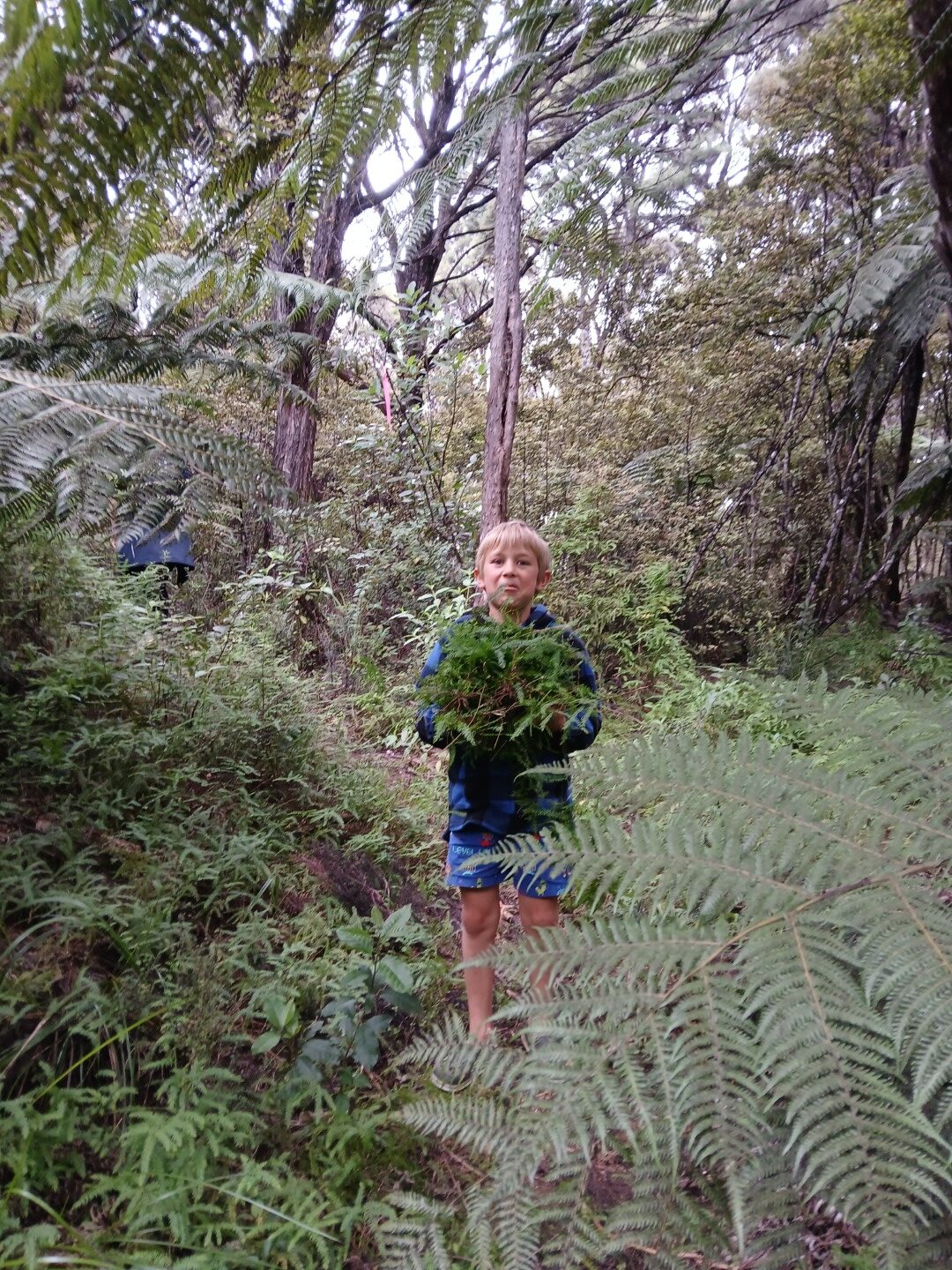
After the visit, a group of students went to Rangikapiti Pā with William, Abby, Helen and Whaea Jo. This gave them the opportunity to take the learning from Moturua and look at Rangikapiti Pā through a new lens. Together, they explored the area, talked about what was already happening there, did some weeding, and considered what we could do next.
For me, this was an important step in our journey. Project Island Song was no longer simply an experience our students had travelled away from school to be part of. The learning was coming back home and beginning to influence the way we thought about Rangikapiti Pā.
The students were no longer just learning about kaitiakitanga – they were beginning to think about what it could look like in practice, right here in our own community. I wanted them to think beyond remembering what they had done.
What had changed in their thinking?
What did they understand now that they hadn’t understood before?
What questions did they still have?
And where could this learning take us next?
Sharing our story – Tuatara Talks Podcast Ep.11
Our Project Island Song journey also became part of Tuatara Talks, our class podcast.
Podcasting gave our students another opportunity to use their own voices to talk about what they had experienced and learned.
It also gave us an opportunity to acknowledge some of the many people who had helped make the experience possible.
Our journey involved far more people than those of us sitting inside our classroom.
There was Whaea Jo, whose connection with Project Island Song opened the door in the first place.
There were Abby and William, who shared their knowledge and experiences with our tamariki.
There was Helen, who continues working alongside us at Rangikapiti Pā.
There were also the organisations and people whose support helped make the Floating Classroom experience possible, including the Joyce Fisher Charitable Trust, Kerikeri Men’s Shed, ITM Bay of Islands, Adam from Island Getaway, Skipper Hamish and crew member Cass, as well as Mr Sedcole and others who supported our tamariki on the day.
It had taken a community of people to create this opportunity for our students.
Now I wanted our tamariki to think about what they could give back.
From learning to action
This is where our story begins to change.
Up until this point, much of the journey had been about learning and experiencing. The next stage would be about doing. The Rangikapiti Pā Leaders had experienced what kaitiakitanga and ecological restoration could look like through Project Island Song. Now the challenge was to bring those ideas home.
Our Term 4 inquiry into ecosystems and habitats provides the perfect opportunity to continue that mahi.
We will explore how habitats provide the things organisms need to survive, how living things interact with one another, and what can happen when part of an ecosystem is disrupted. But I don’t want that learning to stay inside our classroom. I want our local environment to become part of our classroom.
One of our biggest Term 4 projects will be developing a Rangikapiti Pā Explorer Resource. The idea is to create something that could help other tamariki, whānau and visitors explore Rangikapiti Pā and notice more of what is around them.
We plan to investigate things such as native plants and trees, birds, habitats, animal tracks and other signs of life. We will continue learning about predator control and think carefully about how we can communicate this information accurately and in a way that is engaging for people of different ages.
There are already plenty of ideas:
But at this stage, I don’t know exactly what the finished resource will look like, and I actually like that. I don’t want to decide everything for them. I want the student’s discoveries, questions and ideas to help shape what we eventually create.
Looking more closely at our own kura
Our learning will also extend beyond Rangikapiti Pā. During Term 4, our class will begin investigating some of the plants and trees growing around Mangōnui School – a challenge set to us by Abby and William.
The students will research their Māori and English names and find out more about the species themselves, including how they contribute to the habitats around our kura. From that research, we plan to create plant and tree signs that can be placed around the school grounds.
Again, I want there to be a real purpose behind the writing. Someone should be able to walk past one of our signs, stop, read it and learn something about a plant or tree they may have walked past hundreds of times without really noticing.
Perhaps that is one of the biggest things I hope comes from this entire journey – that our tamariki begin to notice.
To notice the birds, to notice the trees, to notice the tracks, to notice when something changes. To ask questions about why something is there.
And eventually, to understand that caring for an environment begins with knowing what is in it.
Our mahi continues
There is still plenty more to come.
During Term 4, We want to continue documenting our visits to Rangikapiti Pā, the species the students identify, our trapping and predator-control learning, our conversations with Helen, the development of the Explorer Resource and the ideas that emerge from the students themselves.
We will photograph the mahi. We will collect student reflections. We will record the questions that arise. We will keep examples of their writing and designs. And we will continue sharing what we learn.
I also want to capture the moments that can’t necessarily be planned – the unexpected discovery, the question that sends us in another direction, or the student who suddenly makes a connection between something we learned months earlier and something sitting right in front of us. Those moments will become part of this story too.
What does kaitiakitanga mean now?
Eventually, I want to return to one of the questions that has been sitting underneath this whole journey:
What does it actually mean to be a kaitiaki?
At the beginning, our tamariki may have had one understanding of that word.
After working at Rangikapiti Pā, learning alongside Helen, connecting with Project Island Song, listening to Abby and William, experiencing Moturua and then taking action themselves, I wonder what their answers will be.
Near the end of our journey, I want to ask each of our Rangikapiti Pā Leaders:
“What does being a kaitiaki mean to you now?”
I want their answers to help tell the ending of this story. Because when I look back at where we started, I can already see that this has become much more than a trip to an island. It has become a journey between places, people and ideas.
Whaea Jo made a connection. Project Island Song opened another world of learning. Moturua gave our tamariki an experience. Rangikapiti Pā gave that experience a purpose back home. And now our tamariki have the opportunity to decide what they are going to do with it.
There are still places to explore. There are species to identify. There are questions to answer. There is a resource to create. There is mahi to be done.
So, for now, I don’t want to write the ending.
Our story isn’t finished yet.
Funded by the Joyce Fisher Charitable Trust
This Floating Classroom experience was generously funded by the Joyce Fisher Charitable Trust, whose backing ensures equitable access to field-based conservation education for schools and students across our region.
We are grateful for the Trust’s long-term support of our education programme.