Floating Classrooms deliver more unforgettable experiences
Abby O'Neill
Education and Volunteer Lead/Coordinator
July 9, 2026
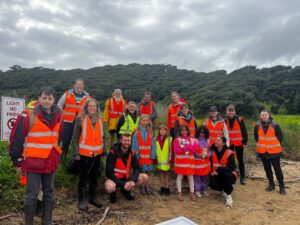
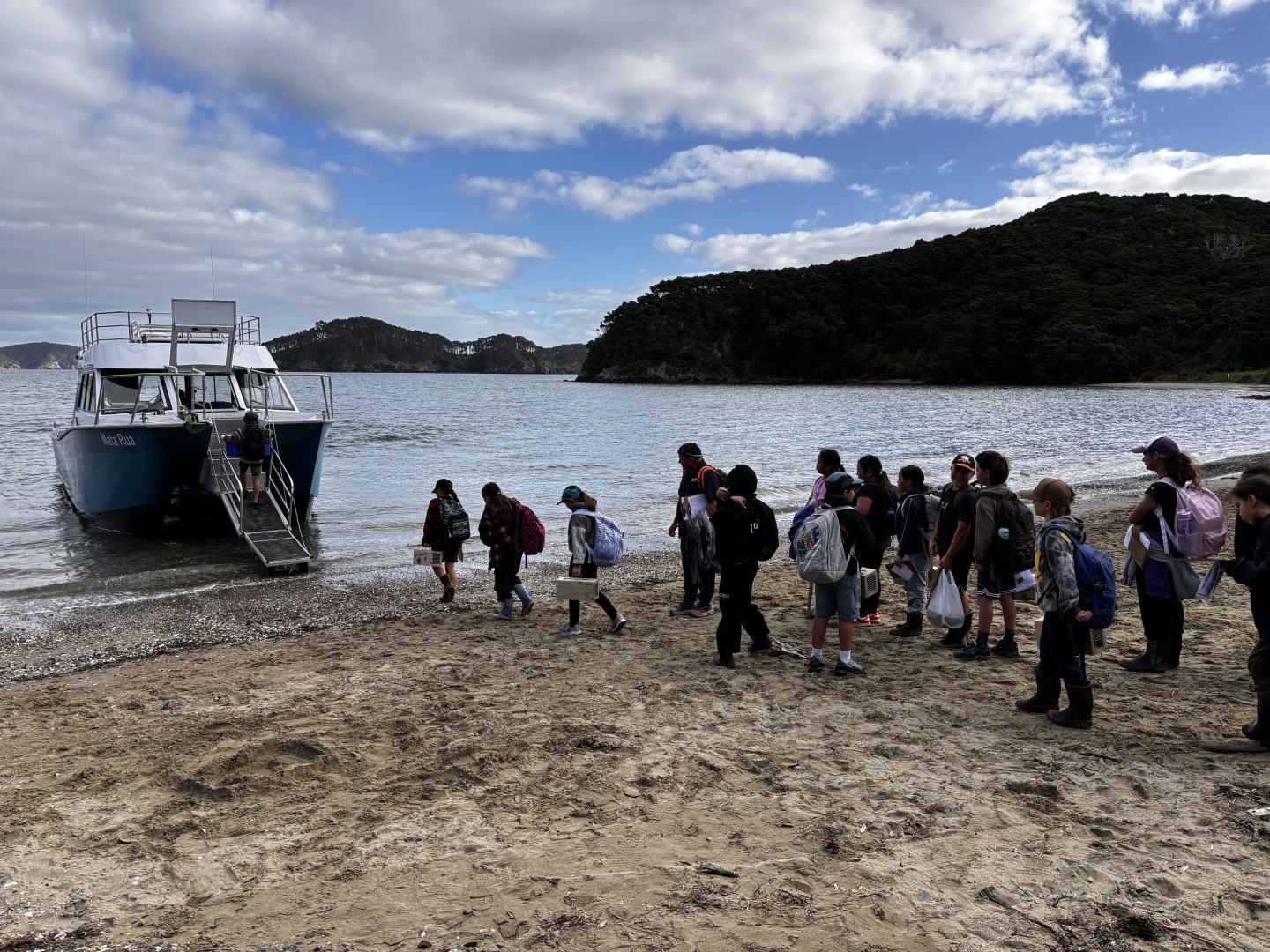
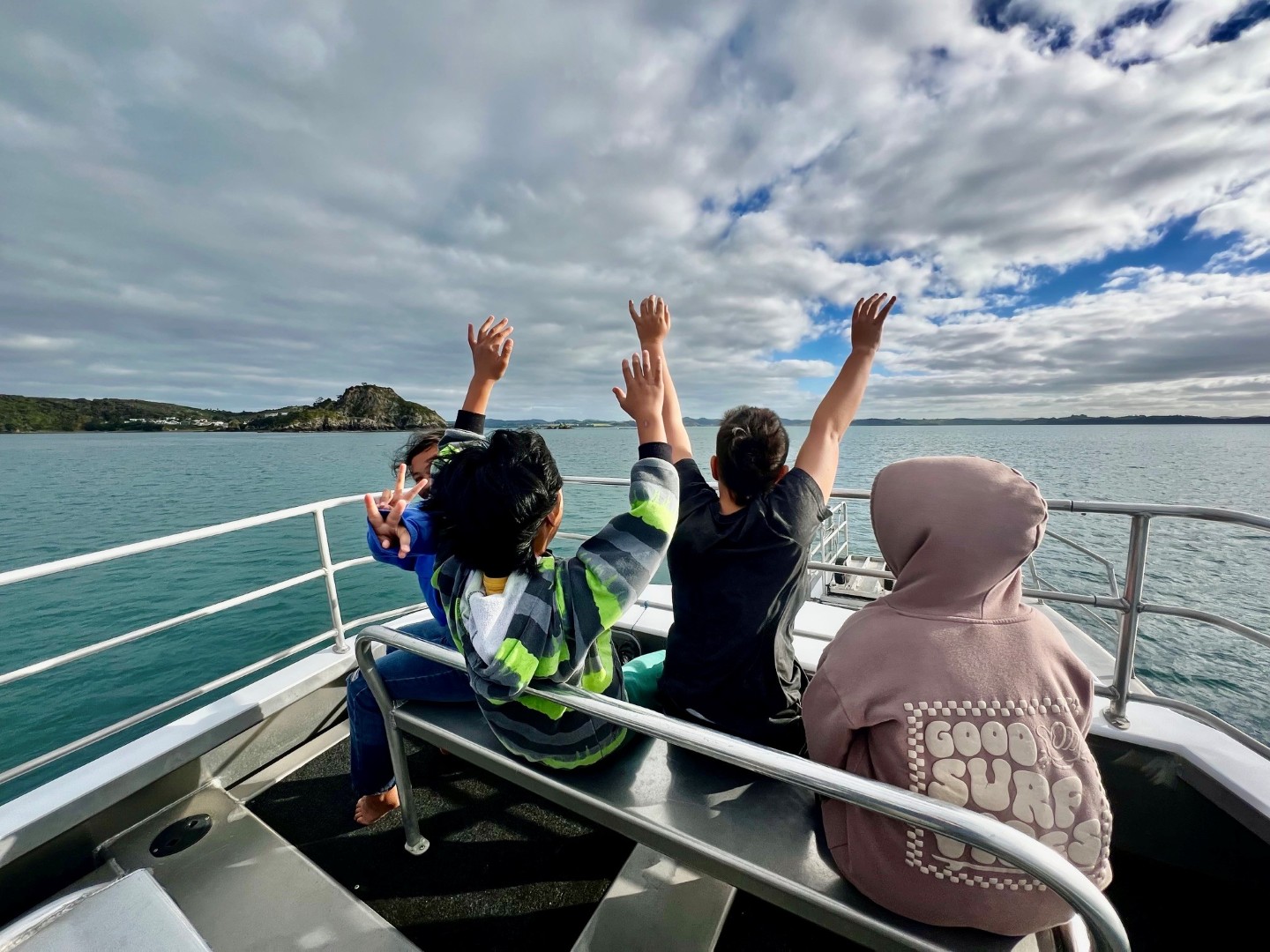
We’ve wrapped up our Floating Classroom programme for 2025–26 — a season that saw around 300 bright-eyed students from Te Tai Tokerau, across 10 schools, step into 14 days of island learning on Moturua. Not bad for a classroom with no walls!
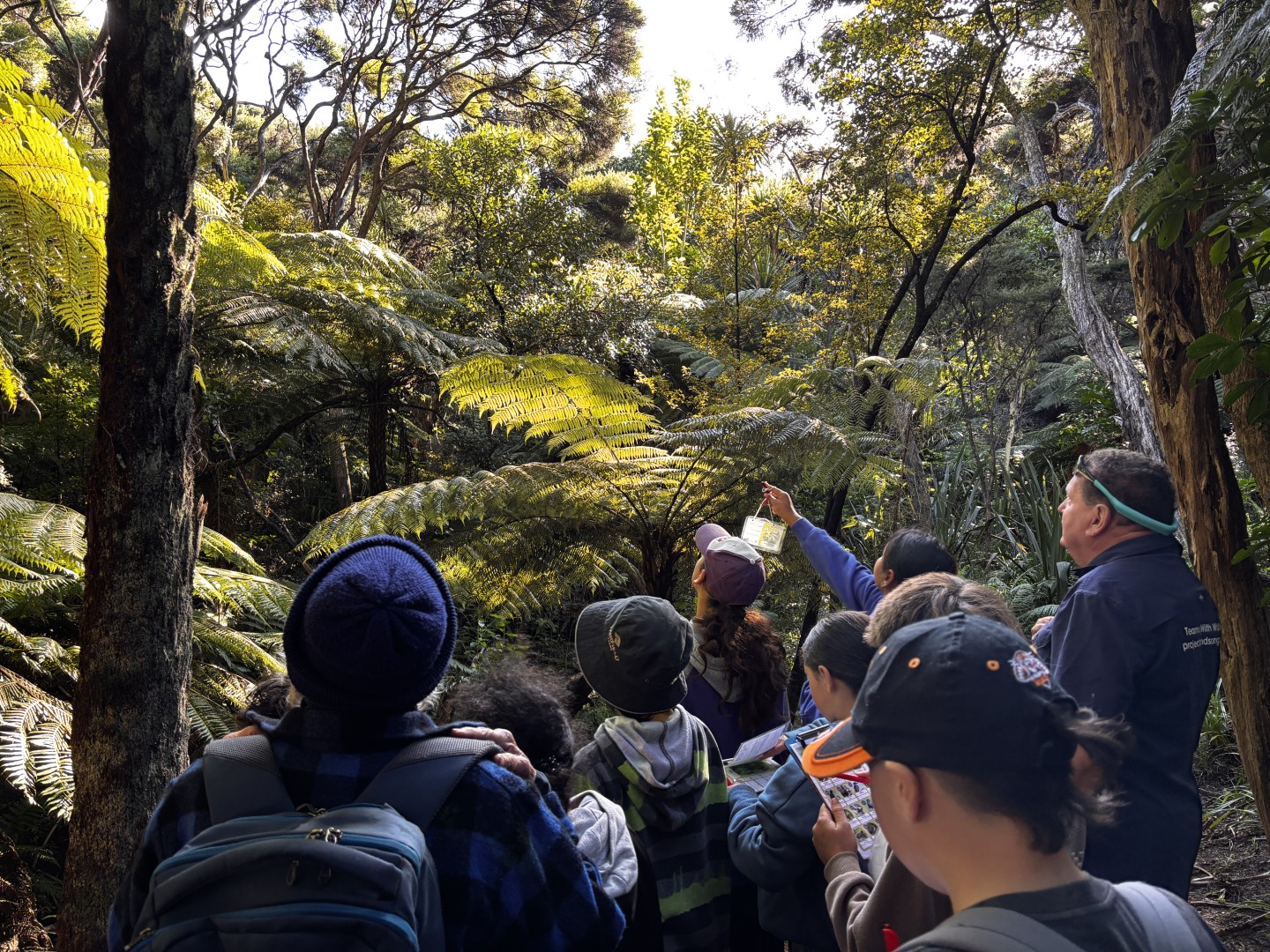
Each Floating Classroom begins long before students set foot on the island. Pre-lessons and pre-visits at each school introduce them to our project, the species of Ipipiri, their habitats, and the pesky invaders we work hard to keep out. By the time they arrive for their Island Day, they’re primed and ready to swap theory for real-life conservation mahi.
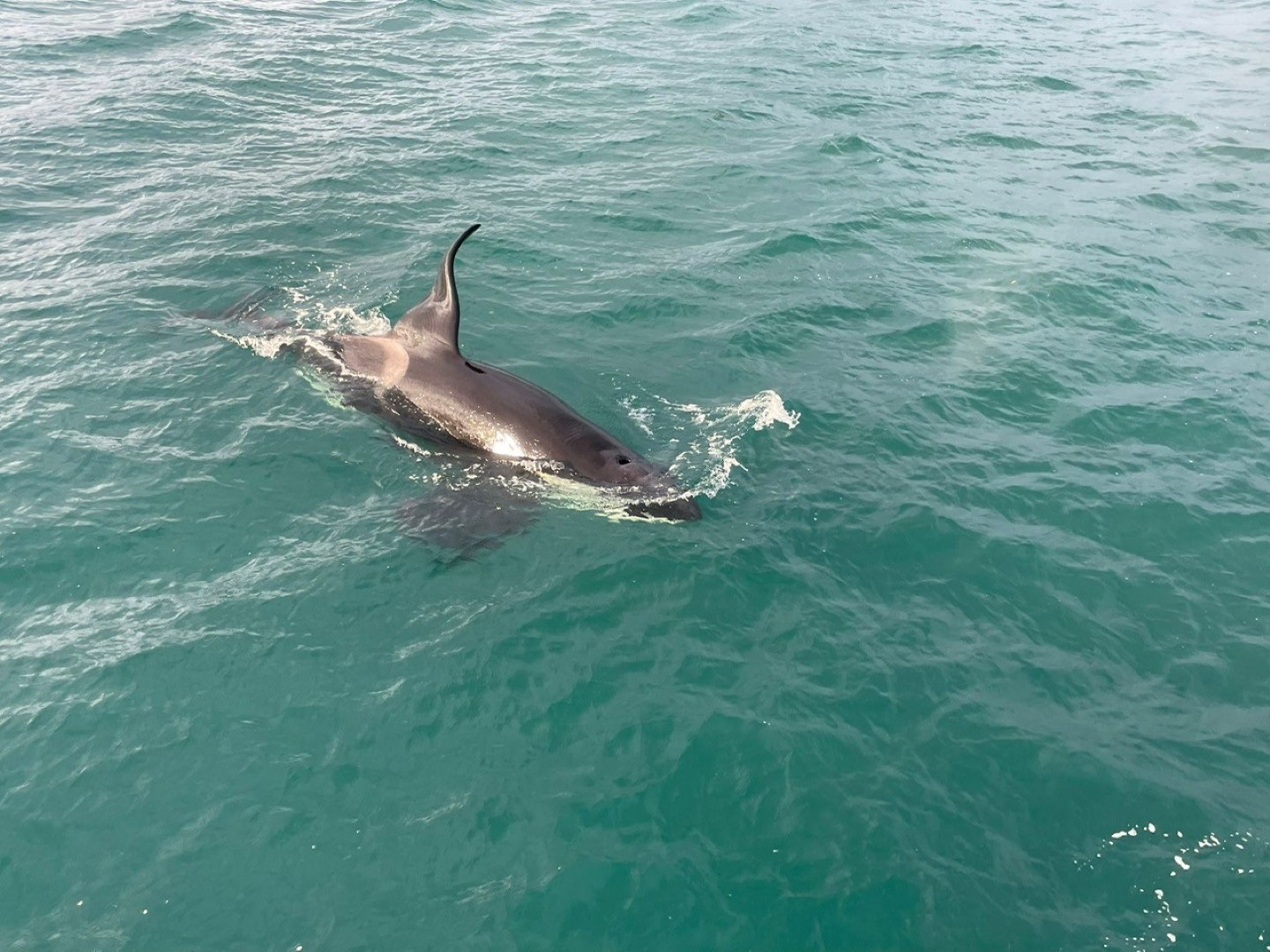
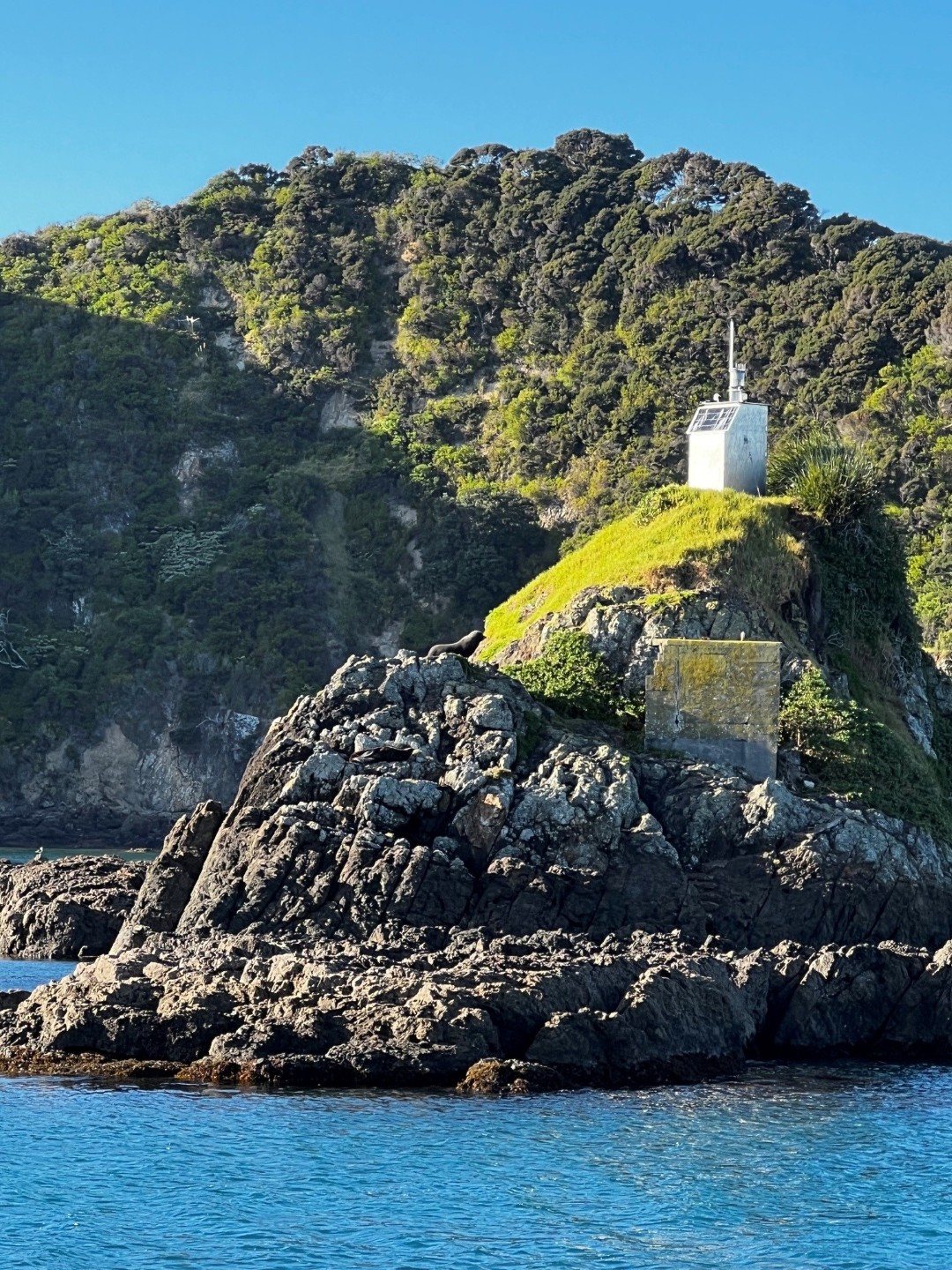
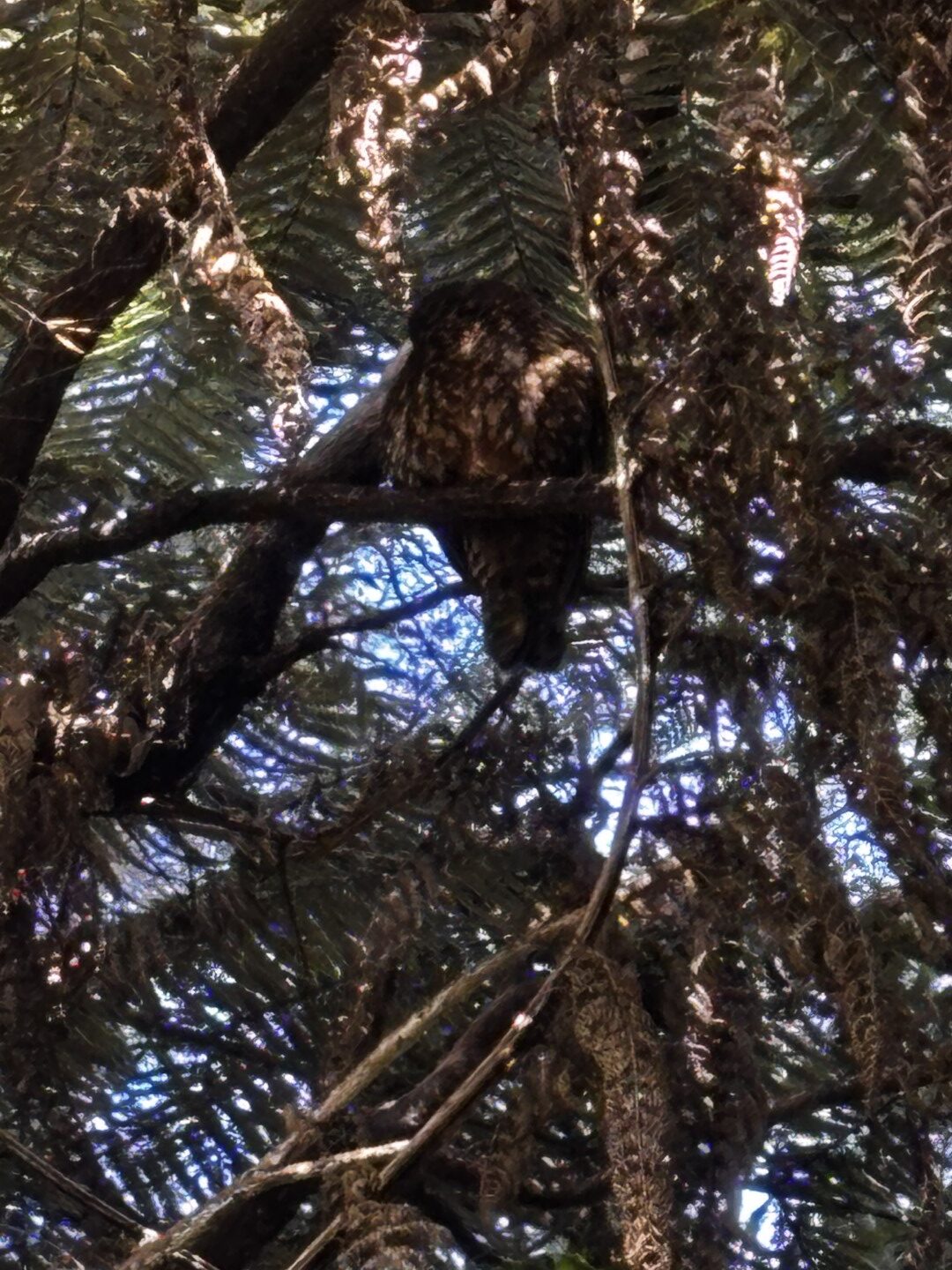
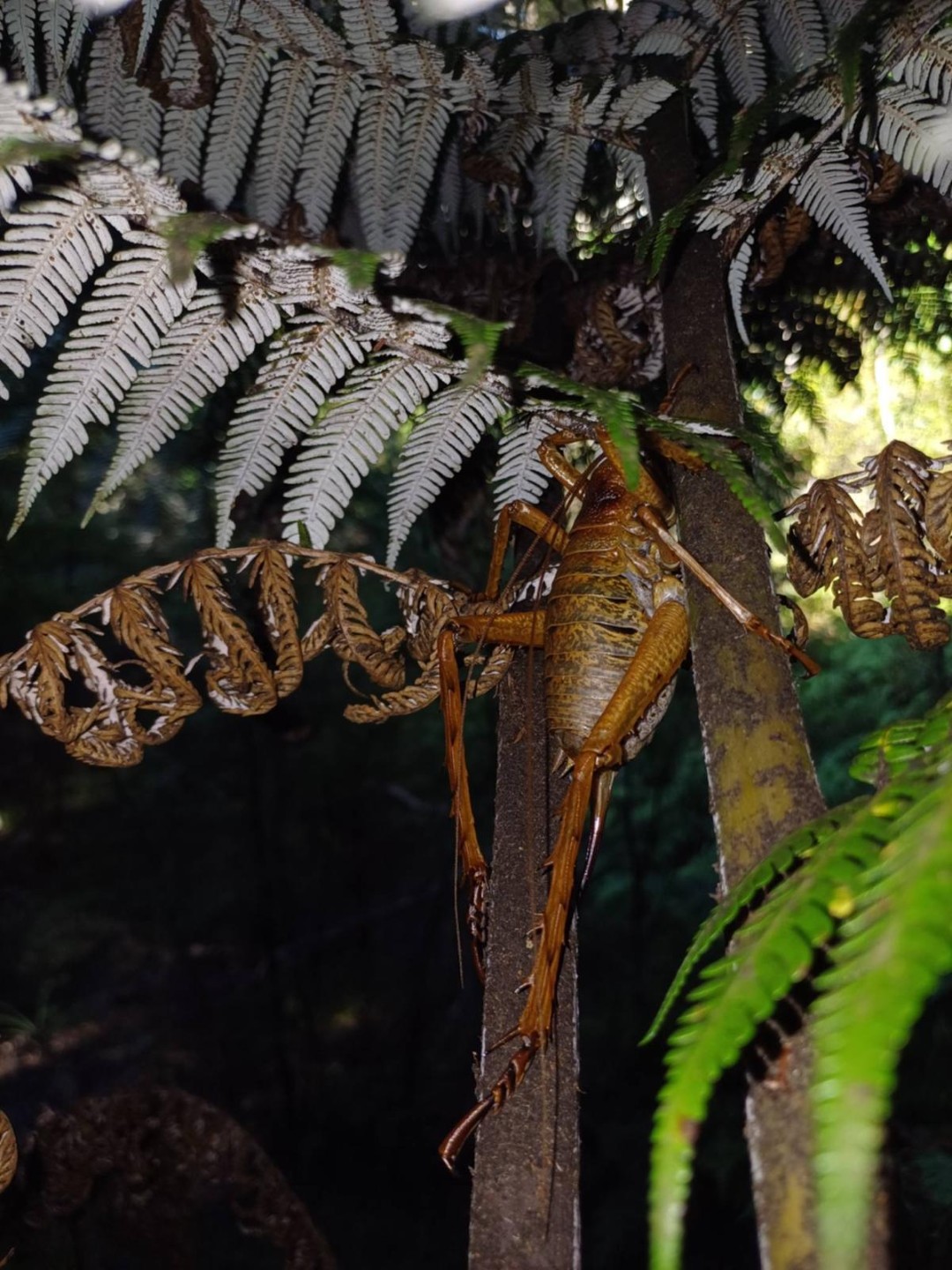
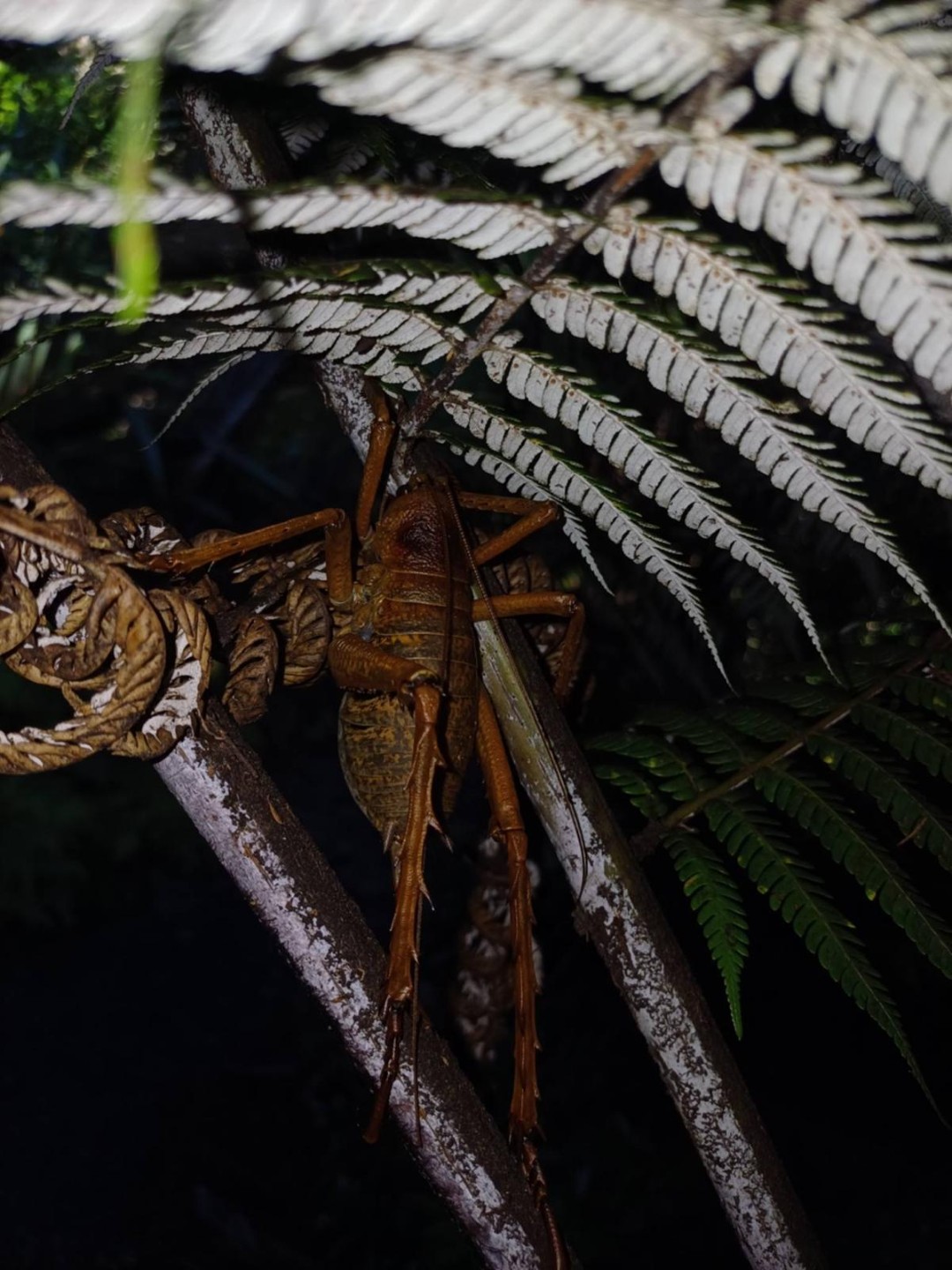
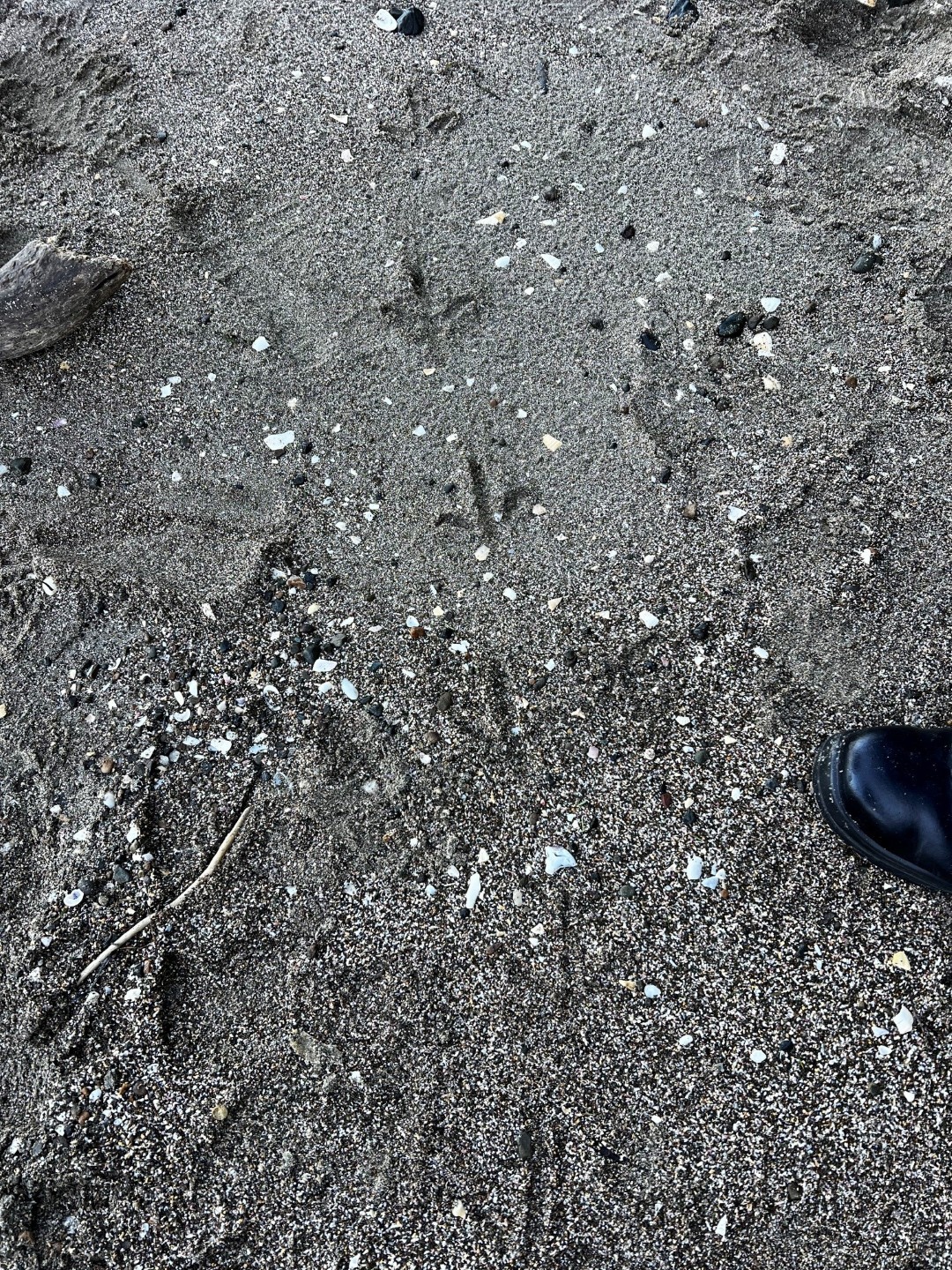
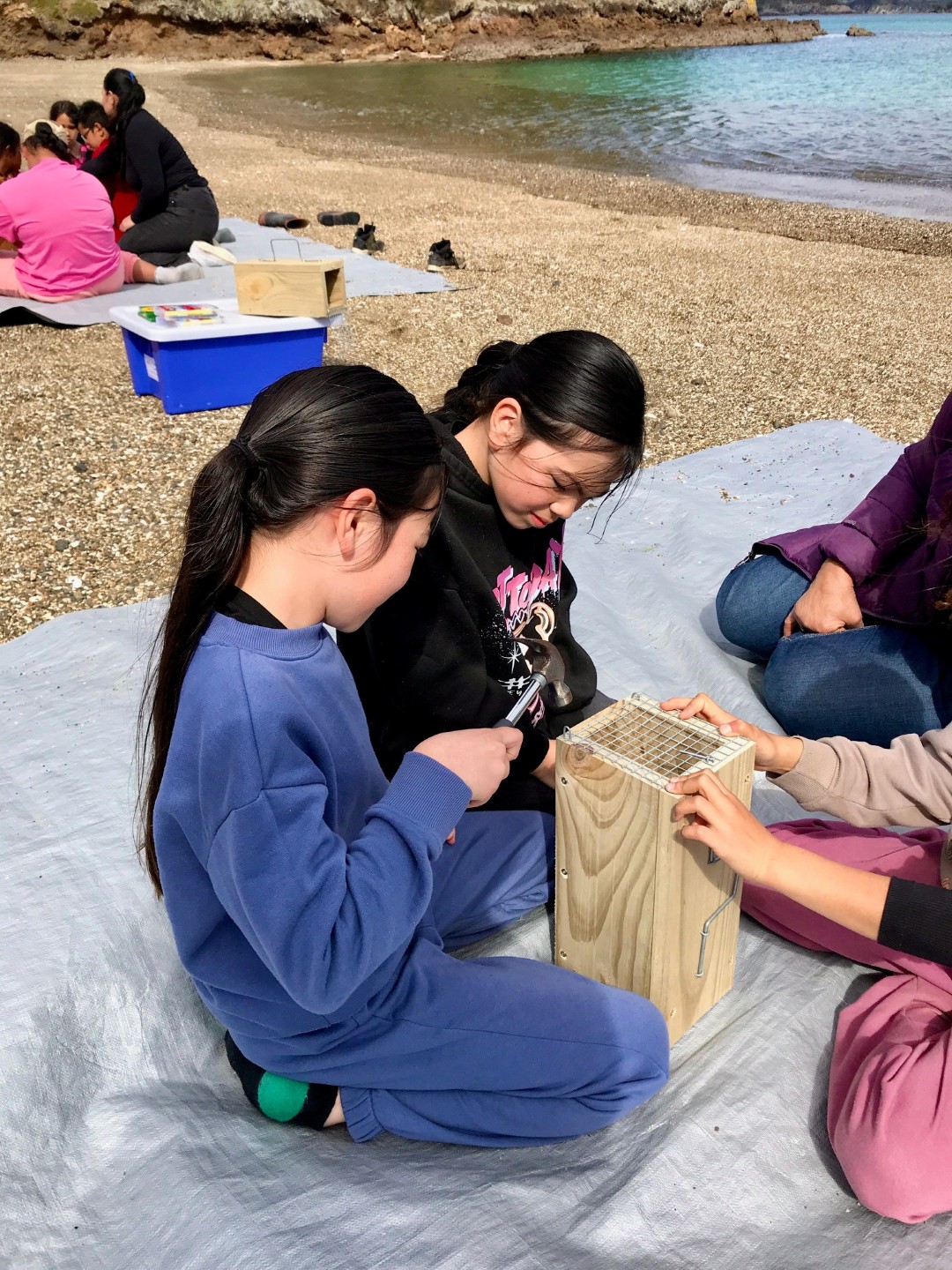
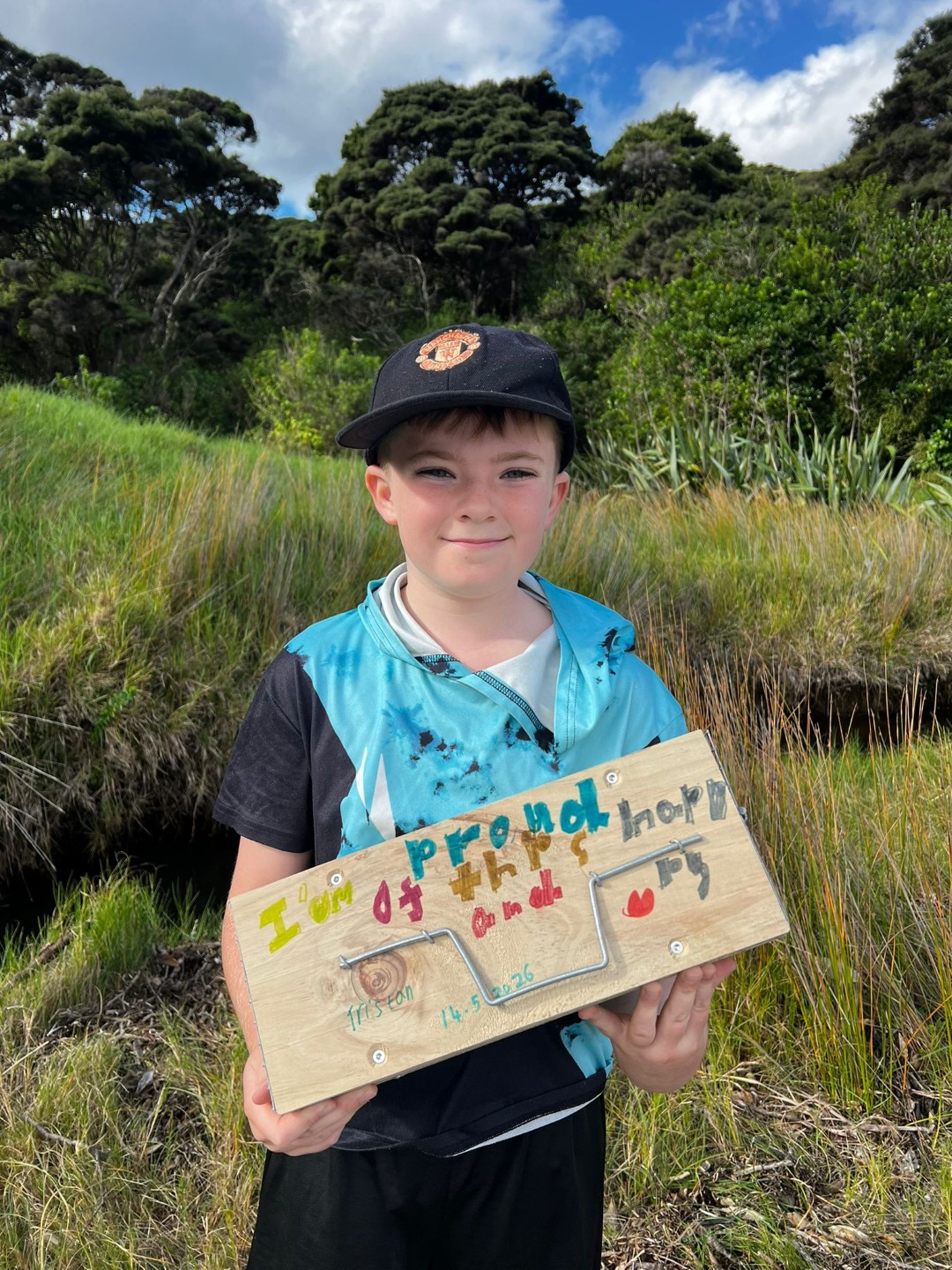
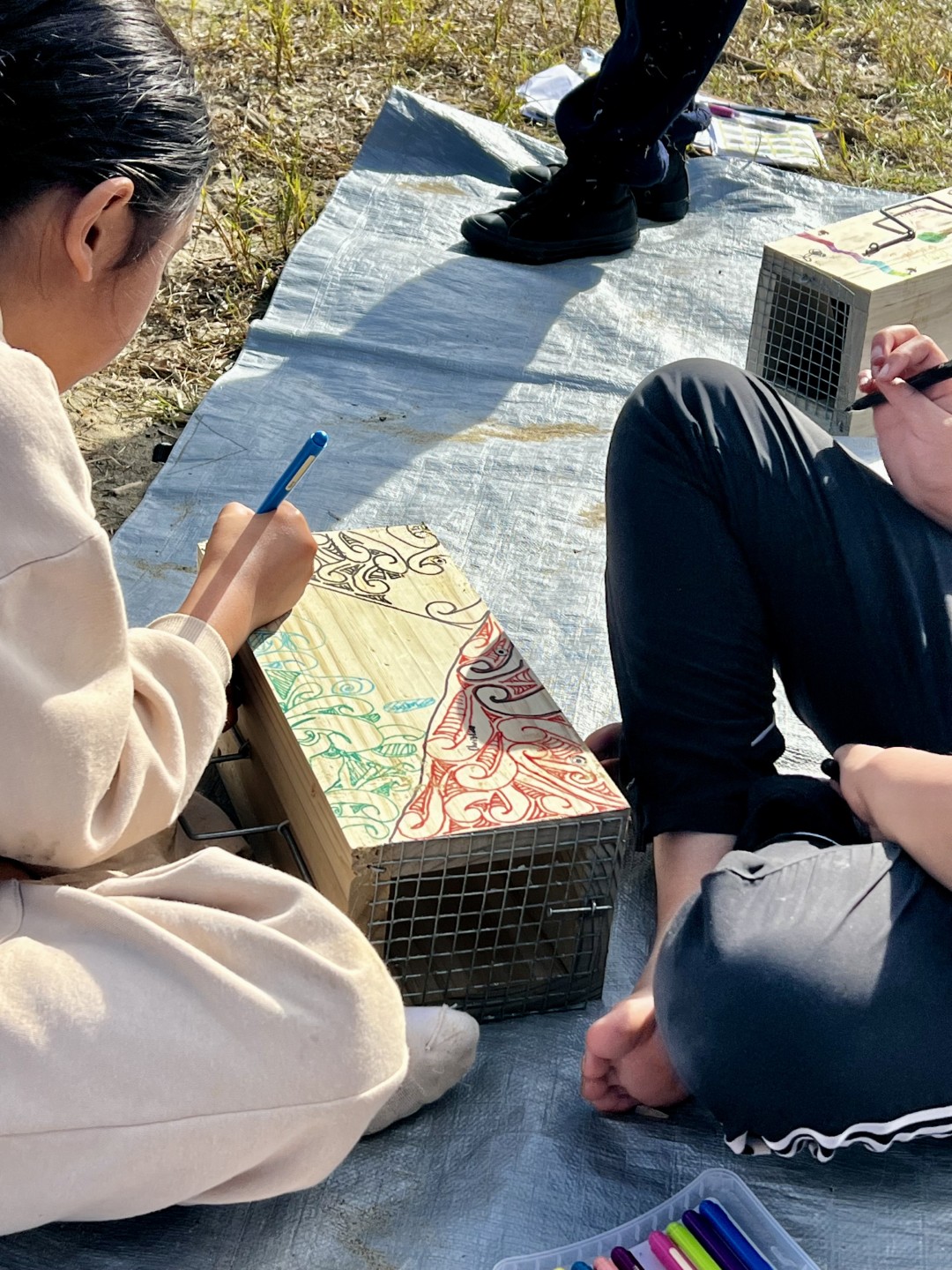
Groups split off for bush walks to identify native plants and birds, while others roll up their sleeves to build rat traps, decode animal tracks, and discover just how competitive beach and bush bingo can get. And as if our native forest bird species weren’t exciting enough, some lucky classes were treated to some spectacular bonus encounters — orca cruising past their boat, seals sunbathing, a close-up daytime wētāpunga encounter, kororā tracks on the beach, and even our shy nocturnal pāteke casually paddling by to say kia ora.
Spotlight on learning outcomes
Endemic species — Russell students explored what makes a species endemic, why they matter, and how to protect them.
Wildlife Protection Act 1953 — Kaeo students dug into conservation law and how projects like ours safeguard native wildlife.
Feather identification — Students found and identified kākāriki and kiwi feathers along the track.
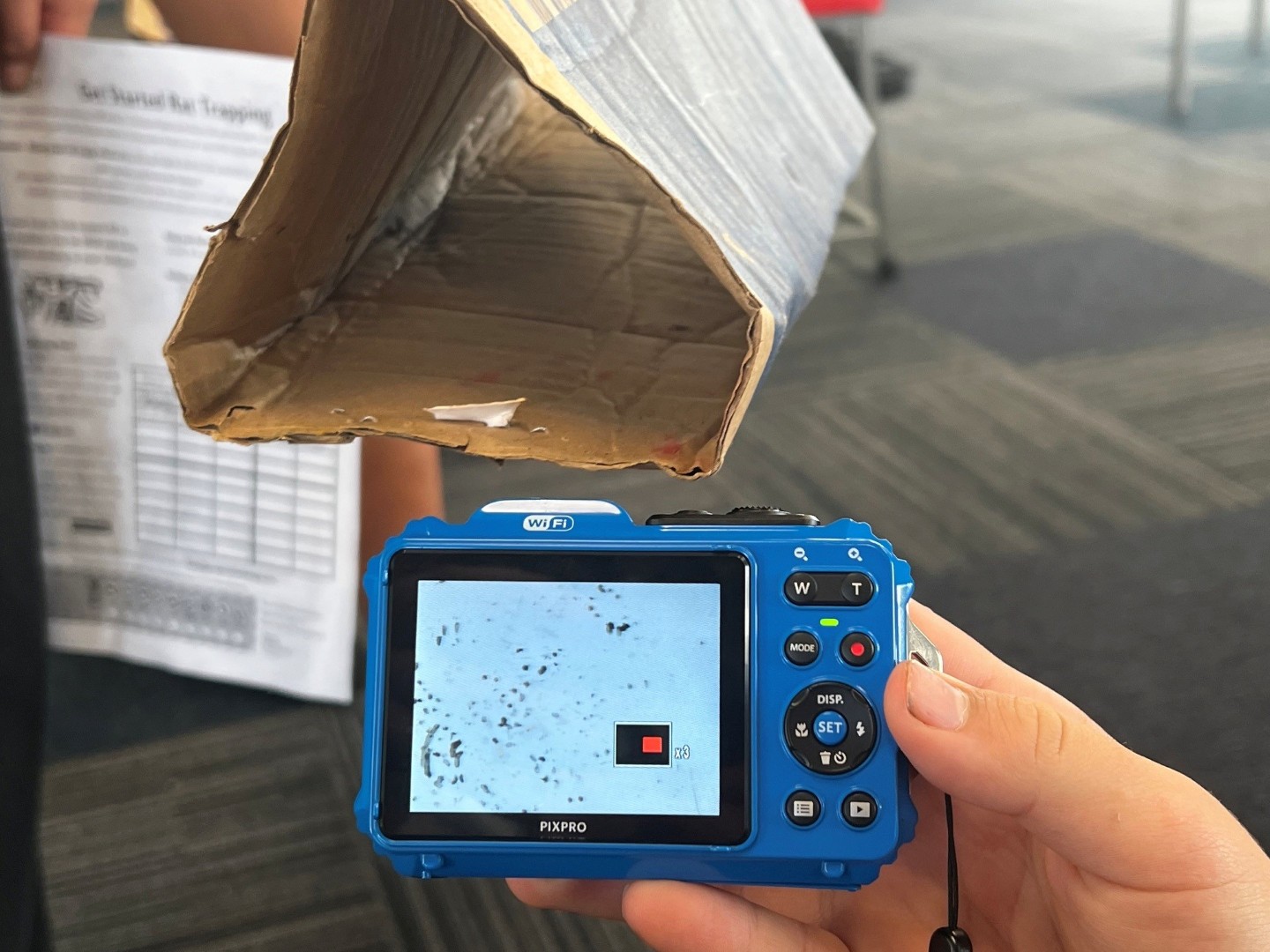
Tracking tunnel discoveries — Mice and Argentine ant footprints revealed themselves in student-made tunnels back at school.
Teamwork & problem solving — Rat trap construction brought out negotiation, collaboration, and plenty of creative engineering.
Post-visit highlights
Two weeks later, we returned to each school to see what stuck — and what sparked imagination. The results were nothing short of delightful:
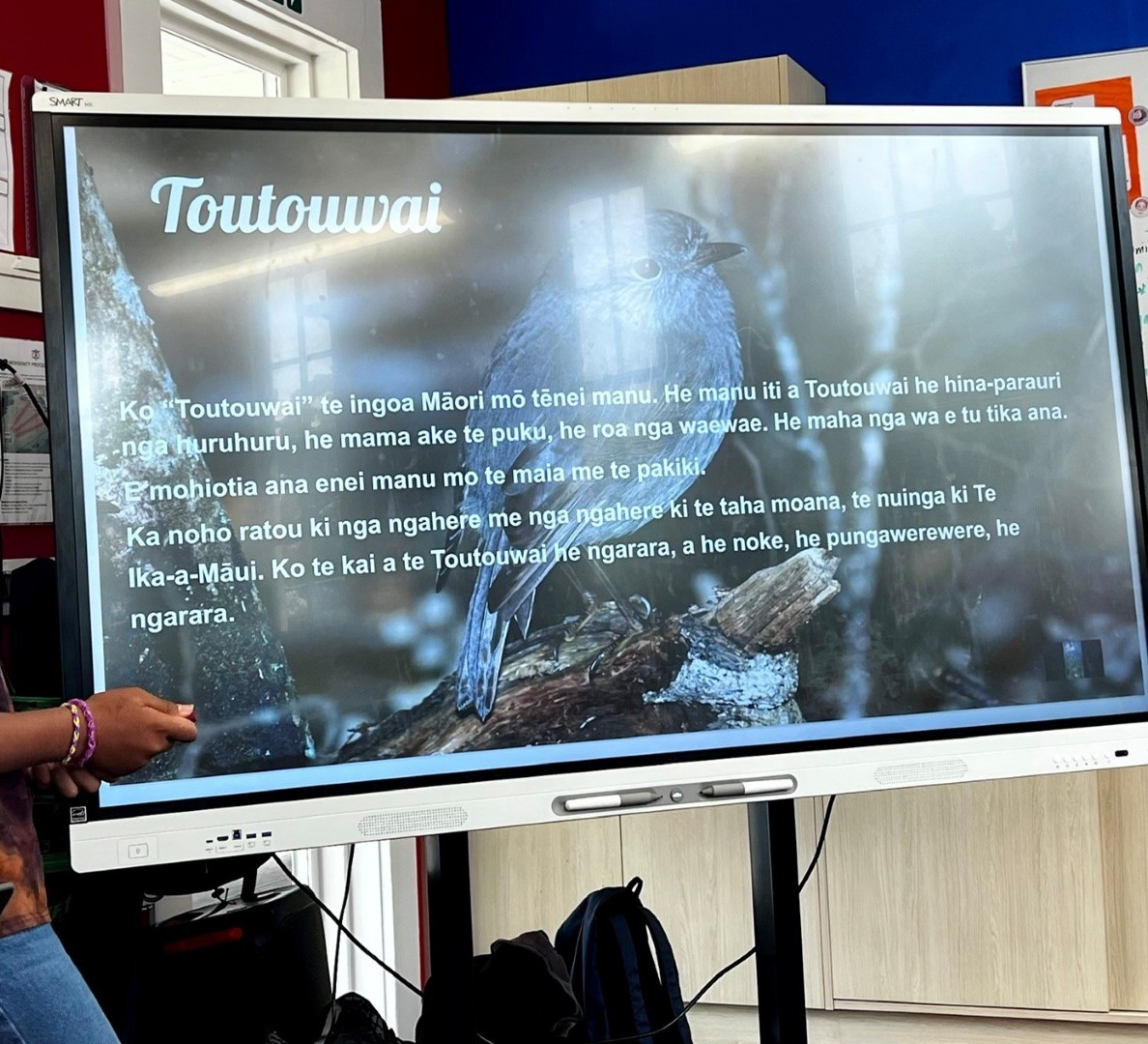
Self-researched presentations on taonga species and pest impacts, written and delivered in te reo Māori.
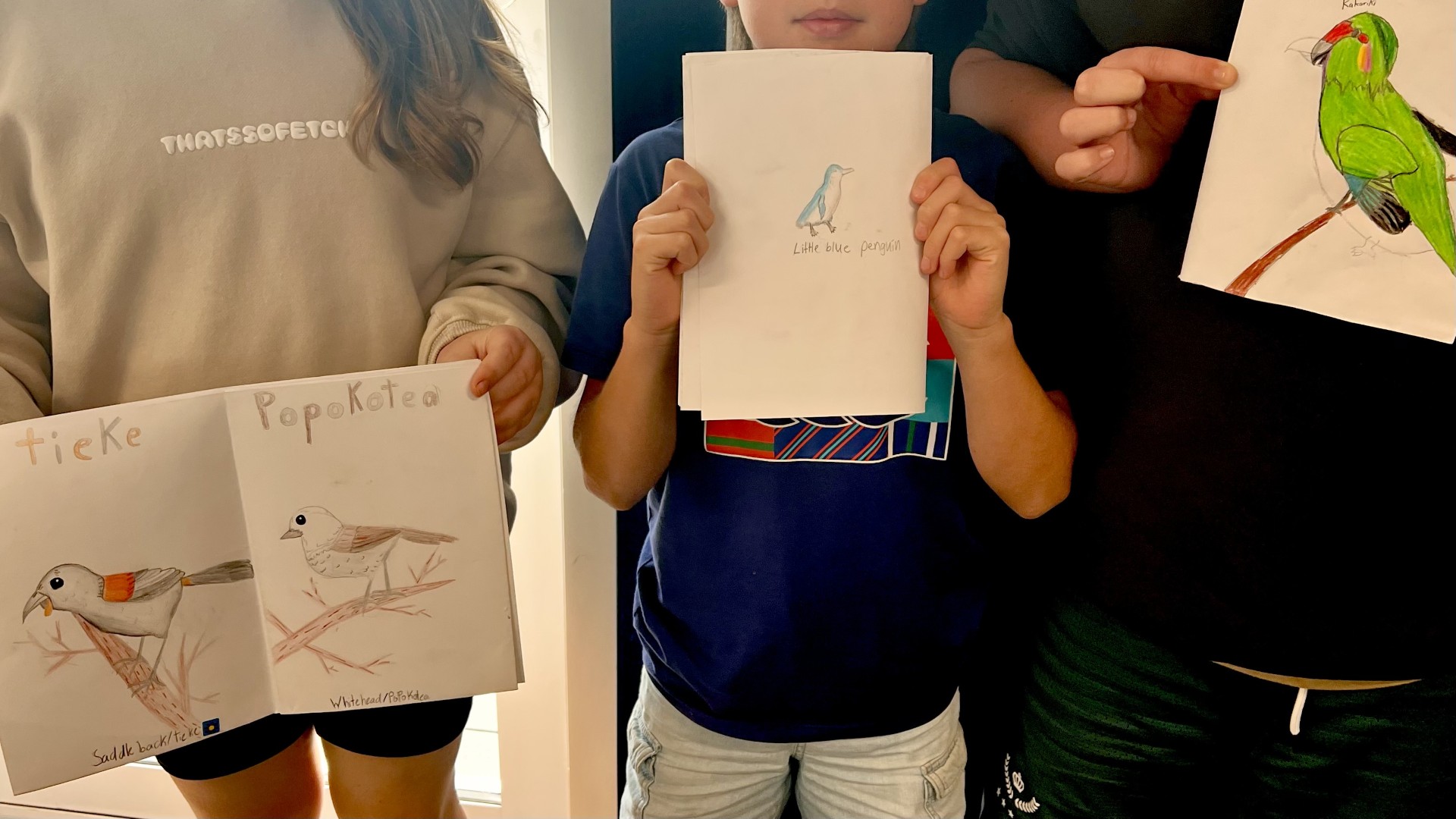
A whole-class poetry book capturing island memories and favourite native birds.
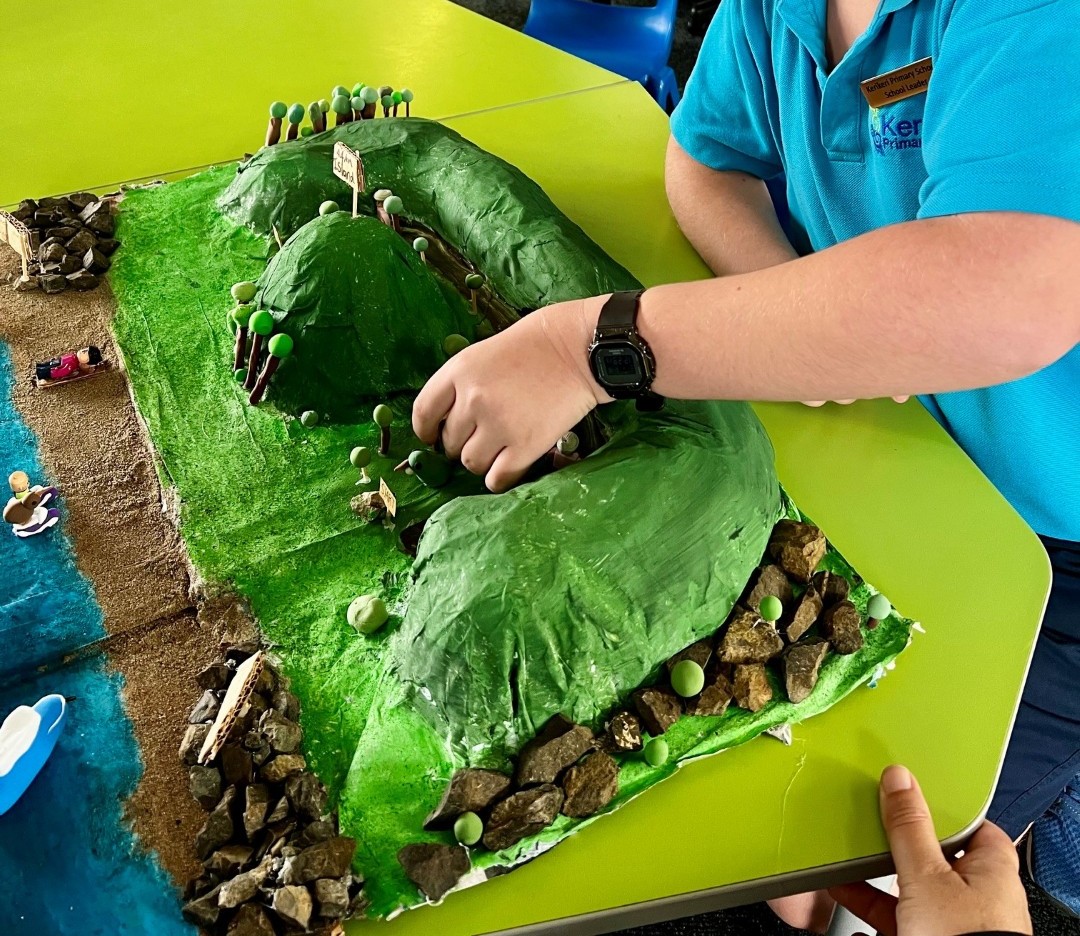
A remarkable diorama of a pest-free island, complete with biosecurity checkpoints and blissful birds.
Student-built tracking tunnels placed around school grounds, revealing new animal visitors.
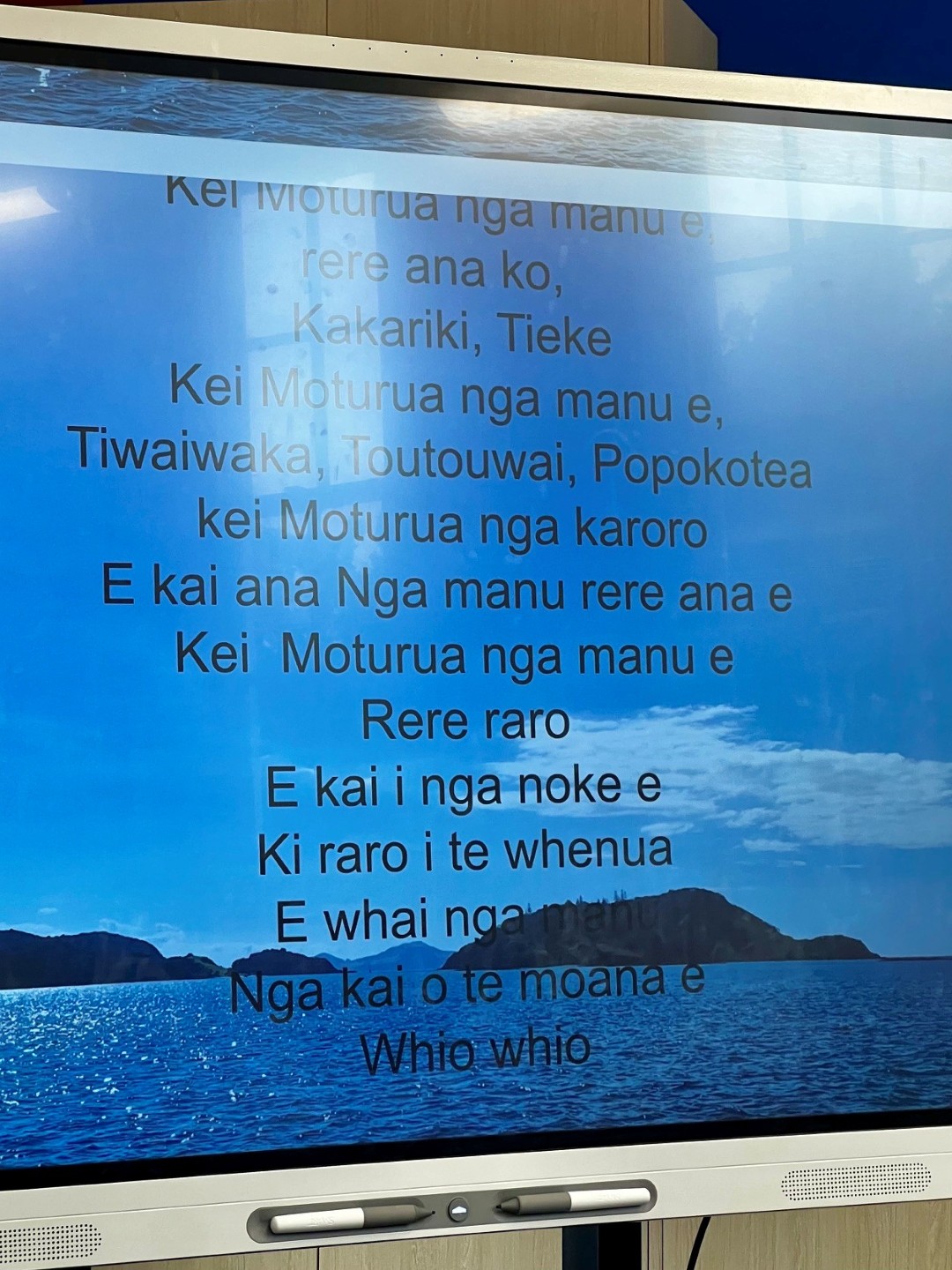
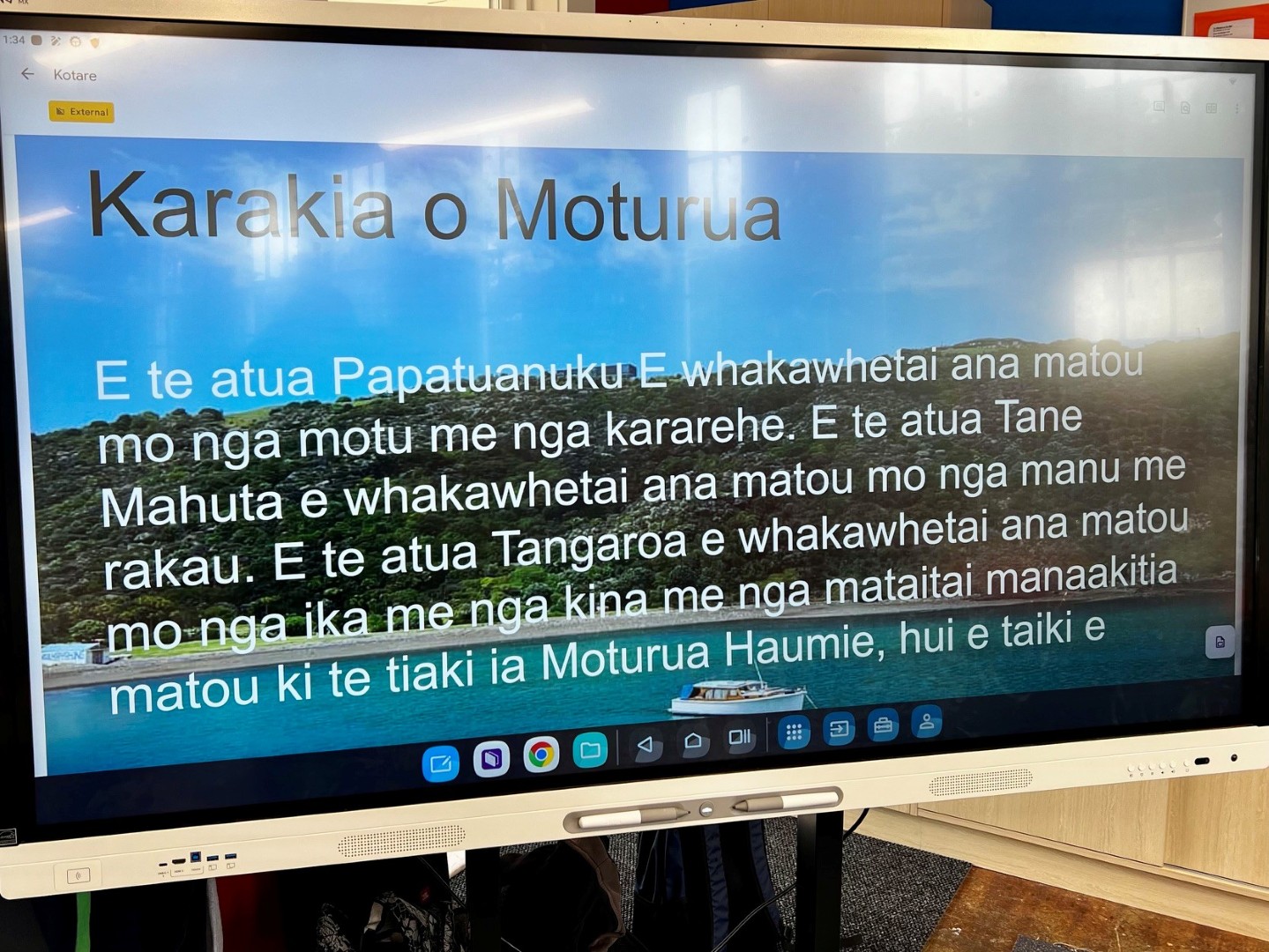
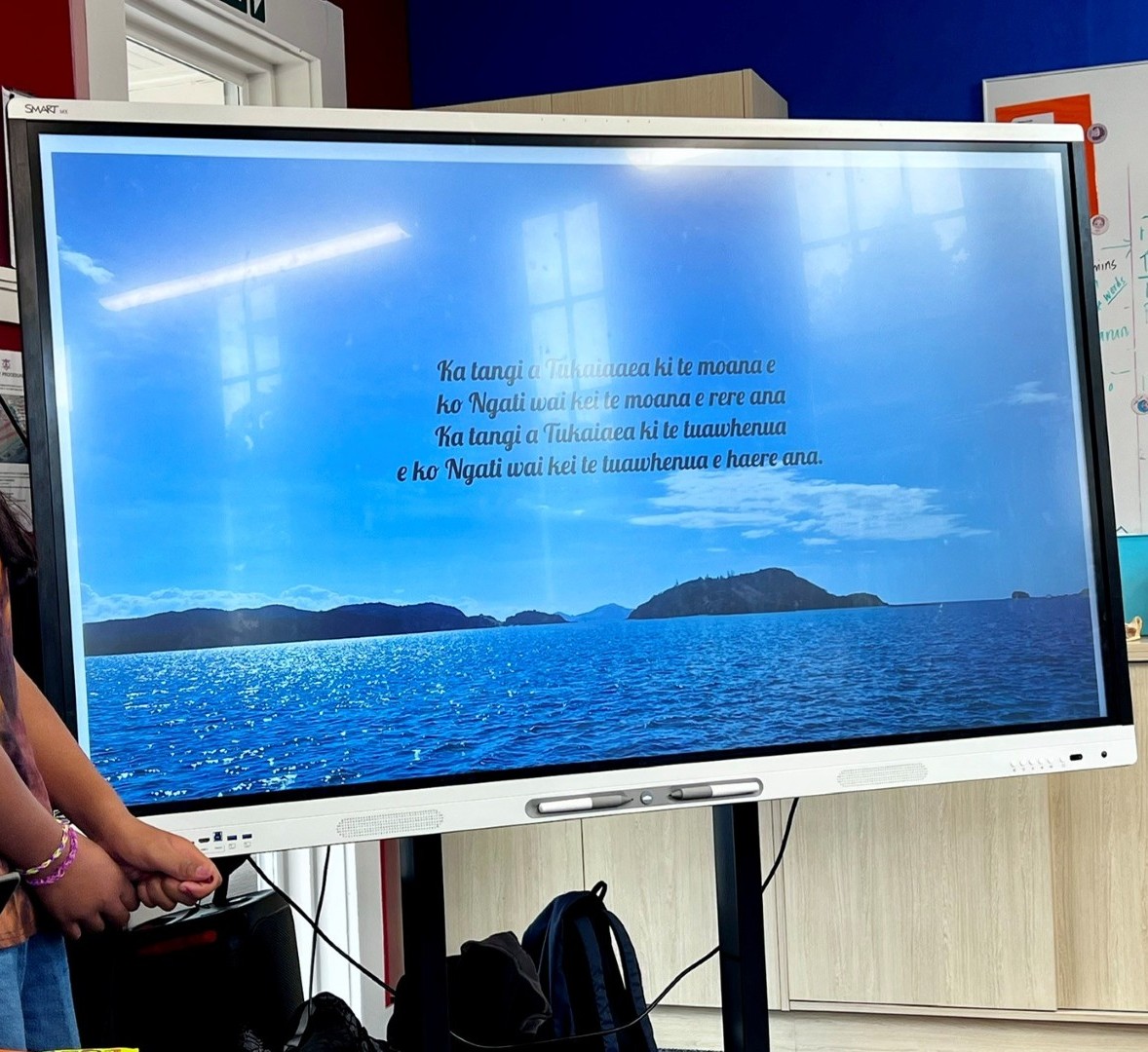
A beautiful karakia and waiata created especially for Moturua.
A native tree scavenger hunt designed to teach other students plant identification.
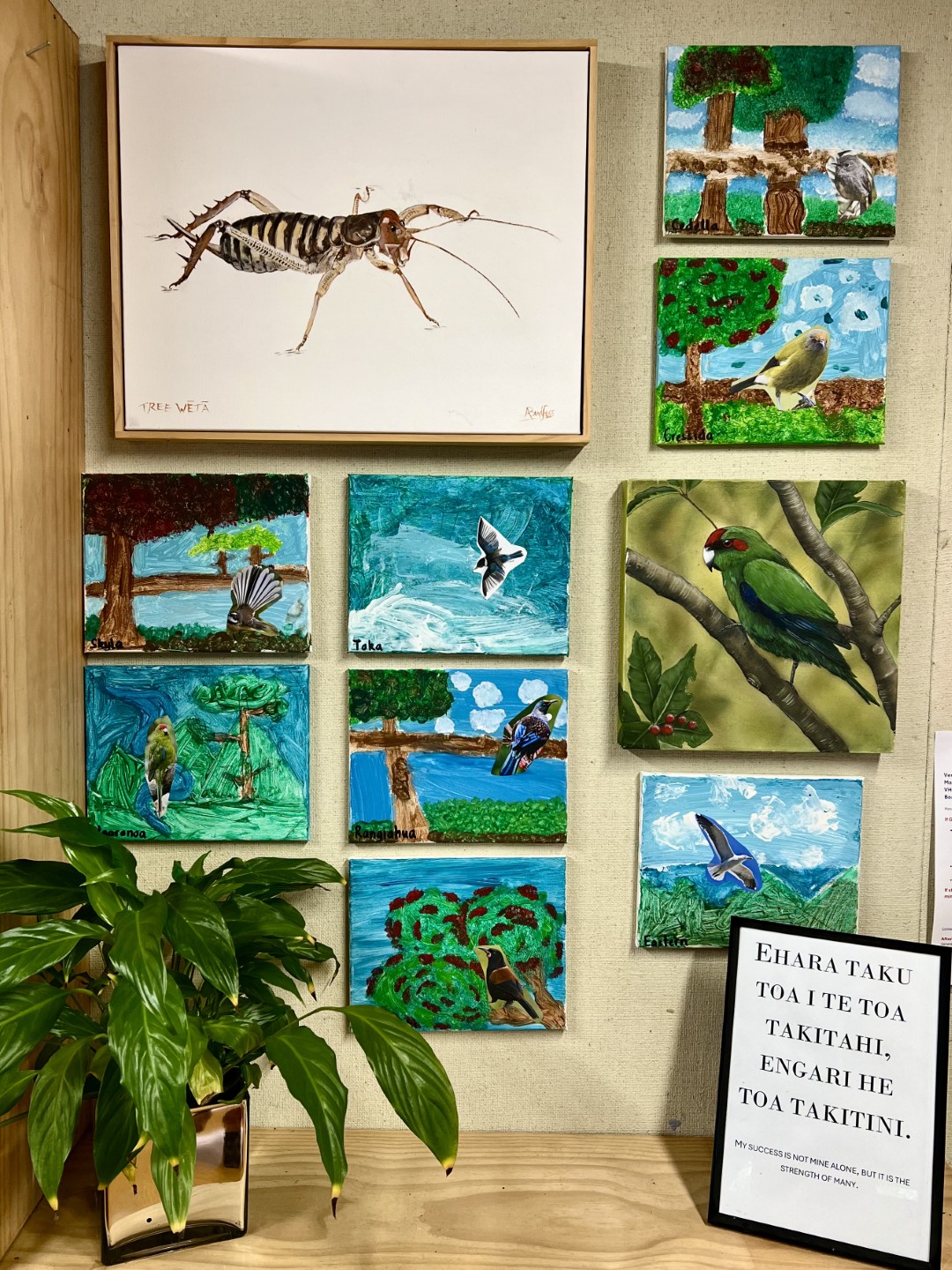
And countless detailed drawings and paintings of our precious manu — each one a small love letter to conservation.
Funded by the Joyce Fisher Charitable Trust, supported by our community
We wouldn’t be able to run our Floating Classrooms without the generous support of the Joyce Fisher Charitable Trust, whose backing ensures every school and student can dive into this learning adventure at absolutely no cost. Thanks to them, conservation learning happens right in the place we’re working to protect.
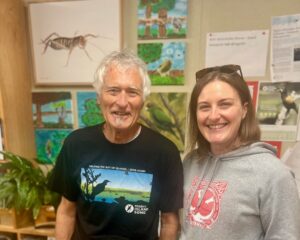
The programme is also buoyed by the kindness of our local champions. The Kerikeri Men’s Shed crew expertly crafted timber and mesh into tidy kitset rat traps — ready for eager student hands. Bay of Islands ITM stepped in with the wood and mesh, and Steel & Tube supplied the screws, proving that even pest control has its own supply chain superheroes.
A huge shoutout to Adam and the Island Getaway team, who offer a discounted charter rate so our students can reach the islands — and to their stellar crew, Hamish, Zac, Saqkara, Nic and Bluebell, who kept the day running smoothly on the water. We truly couldn’t do it without them.
And finally, heartfelt thanks to the teachers who champion this learning back at school, and to the parents and students who jumped aboard this year’s programme. Your enthusiasm is what drives our education programme forward.