Check out our easy biosecurity checklist before you go.

Volunteer story… Kevin

Picture of Andy Boor

Andy Boor

Fundraising Manager

As part of National Volunteer Week 2026, we decided to introduce a Volunteer of the Year award, to recognise and highlight an outstanding individual contribution. 

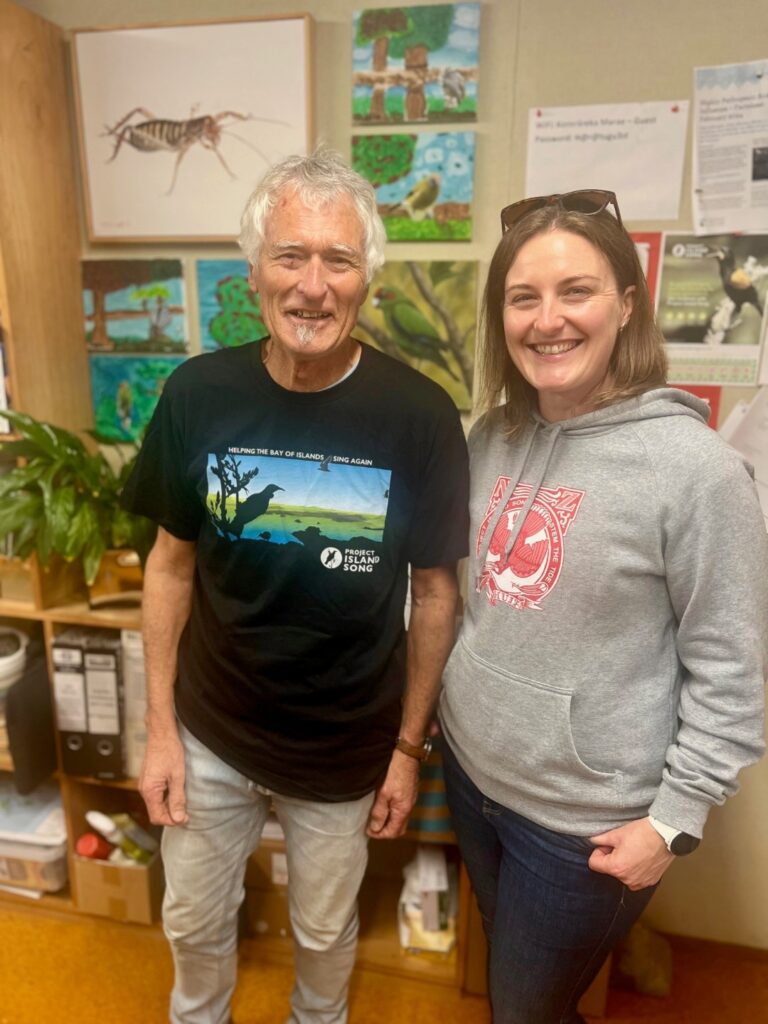
The inaugural award was presented to Kevin Philpott at our volunteer celebration event in June. Kevin lives aboard his boat and spends a lot of time on and around the islands, where he has done a huge amount of independent work for our weedbusting programme. Thank you Kevin for your drive and determination to contribute!

We sat down for a chat with Kevin last year about his experience of volunteering with the Project – you can read about what he does, and why he does it, in his own words below.

“I moved here in 2017 and probably less than a year later I met a volunteer and she explained what they did and I thought, yeah, it sounds like me. I was about to retire, so I was looking for something to get involved with and that seemed like a perfect opportunity.

Basically, I’ve been a weedbusting volunteer since the beginning, really.

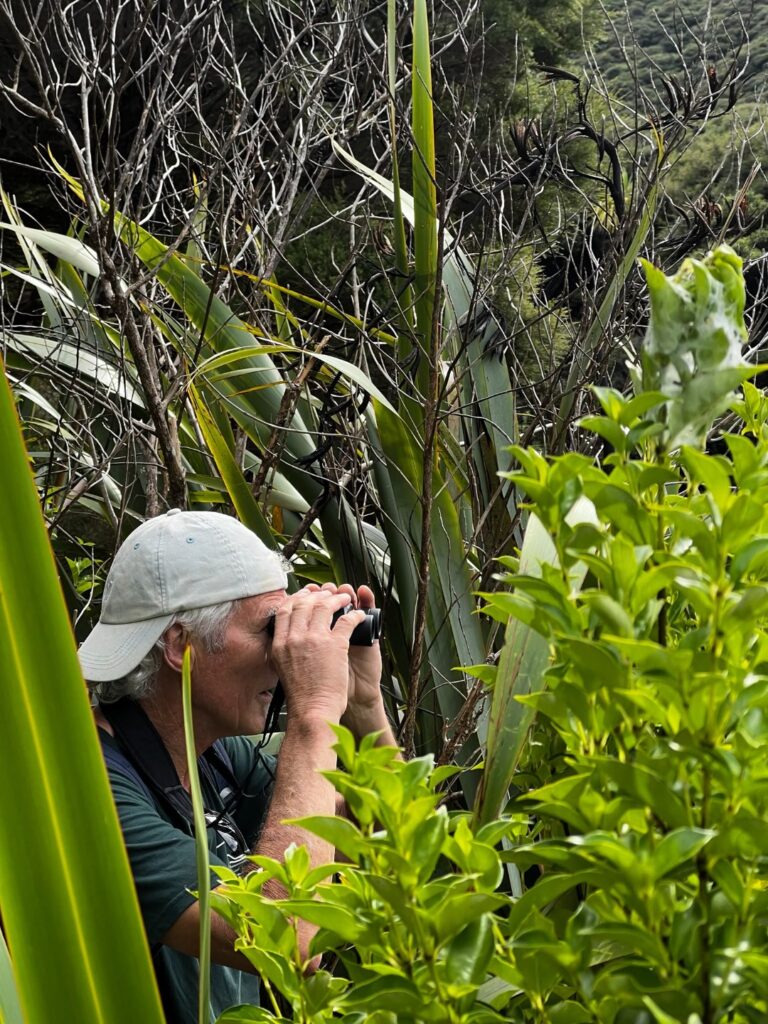
COVID did put the kibosh on those activities for quite some time but I live aboard my 12 metre launch and I spend a lot of time out around the islands anyway, walking for my own exercise, and in the last two to three years in particular I started continuing to work even when there was a shortage of funds to take the rest of the volunteers out.

2021 is when I started kind of surveying [the weeds on the islands] in my head. The bigger picture started to make sense to me that, gosh, you know we’re going backwards here, we need to make a change.

Arthritis in my hands means I can’t do the sort of weed pulling that I used to, so I suggested that I could actually perform a bigger role doing what I was doing, in the sense of visitation of the island, so that we did start to get an idea of whether we were winning or not.

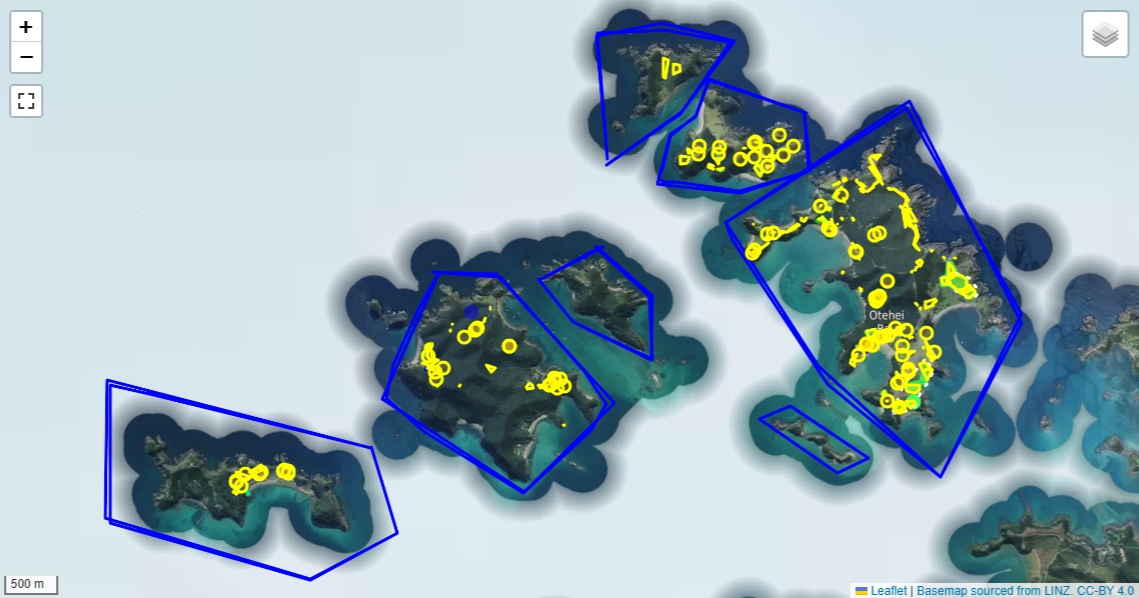
Basically in my surveying role now, I use the Weed Manager application to graphically display where the individual weeds are.

We have about 9 or 10 on the list but we’re targeting probably 3 in particular, which is the moth plant, the Mexican devil weed and the tobacco weed, or woolly nightshade.

The app allows me to turn my location on, walk around these areas, and as soon as I find something, identify it, you can draw polygons or just individual markers to show how big the area is, what the infestation’s like, how old they are.

Ultimately what I’m trying to provide is, if I do an area, then when they’re planning their weedbusting team, they can say, “Oh right, Kev’s been right through there, there’s only these particular spots”.

Hopefully it means now weedbusting groups aren’t spending time looking for weeds, they’re spending time actually dealing with them.

The object was to set up a system so that we know if we’re winning, or we need to change our strategy, but also it’s really good feedback for the volunteers to know that we’re making a genuine difference.”

Kevin uses the Weed Manager app to log and describe weeds for our weedbusting teams to tackle - plenty of work ahead of us!

“I think because of the way that the organisation is structured, you do have the ability to start involving yourself with the bigger picture, that’s certainly how I saw it.

As I age, I’m still very fit on my feet and everything, but I have limitations now. There was never any issue with either not going out very much and feeling judged for it, not feeling as useful, so for me it was great to feel that even as I was less efficient in some areas, I could still be useful and there wasn’t any kind of reticence from the project to allow that to happen, so it means a lot.

Since developing this new role, I’ve educated myself more and more about what we’re dealing with. It’s actually far more interesting by having to do some research to find out where else in the world these things are a problem, how they deal with it, can we use that in what we’re doing. It’s good to be able to at least make some suggestions for the organisation.

I do meet the team sometimes now but not so much because I’m doing a lot of surveying work so we don’t tend to be in the same orbit, but it was fantastic. You hear different accents, you know, Americans and English and Kiwis all working together. It connects you to the worldwide understanding these days that this kind of work is incredibly vital.

I think there is a sense of confidence, a sense of connectedness by volunteering, because quite a few people have come from Kerikeri, some come from Opua, so you’ve got this coming together of people and it helps your social skills. I’ve always been a busy person so I don’t need a reason to get out of bed, but it certainly is very stimulating in that sense, it’s kind of motivating I guess you’d say. It’s an extended community effort, and that’s what brings the satisfaction.

I think all human beings need some kind of purpose. That’s a known psychological fact and I think like anything, if you feel you’re achieving something that is benefiting the community and the wider region or district, there’s a natural positive feedback loop.

It’s a very special environment, because you’re in a very pleasant, relaxing environment, even when you’re working. It is still a very satisfying and stimulating environment, it is very beneficial.”